
Skin tags (also known medically as acrochordons) are benign growths on the skin that tend to hang off the skin on a thin stalk. These noncancerous growths appear where skin rubs skin or clothing, such as the neck, underarms, groin, eyelids, or under the breasts. Although skin tags are harmless, they can be an aesthetic nuisance or uncomfortable when rubbed by friction or jewelry.
If you’ve noticed a small, soft bump the same color as your skin that seems to be hanging from the skin, you may be dealing with a skin tag. While it might be tempting to use a skin tag remover or attempt in-home skin tag removal techniques you’ve encountered online, it’s always best to see a dermatologist for a correct diagnosis and removal.
At Orah Dermatology, we diagnose and treat many skin conditions, such as the safe and effective removal of skin tags using sanctioned, FDA-approved methods. Here, in this article, we will walk you through what you can expect before, during, and following the removal of skin tags so that you will be completely informed and comfortable with your treatment.
Before Treatment: Consultation and Assessment
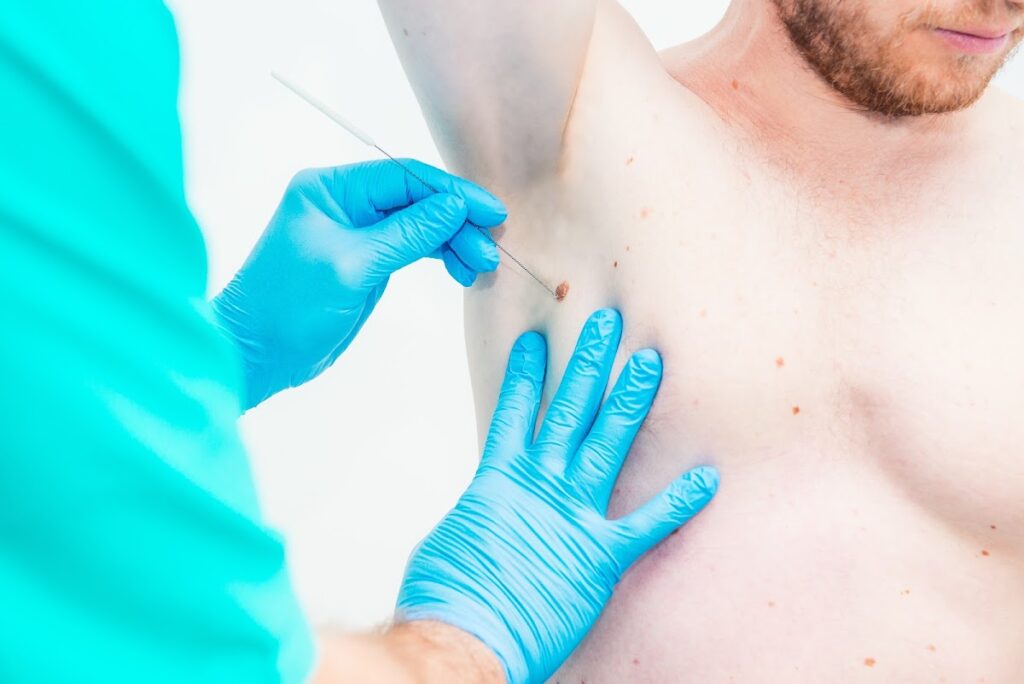
The first step in removing a skin tag is an in-depth consultation with a dermatologist. While skin tags are usually harmless, not all skin growths are skin tags. Some may be moles, warts, or even possible signs of severe conditions like skin cancer or other skin lesions.
During your appointment at Orah Dermatology with Dr. Joshua D. Fox, double board-certified dermatologist and Mohs surgeon, your skin will be carefully examined to diagnose the skin tags accurately. This step is important because removing a skin tag that turns out to be something else, such as a wart or mole, could complicate future treatments or mask underlying conditions.
In some cases, however, more than one tag might need to be removed from an individual. Dr. Fox will also look at the size, location, and number of skin tags to determine the best course of treatment.
Causes and Risk Factors
Even though the exact cause of skin tags is unknown, various factors are suspected to contribute to their formation:
- Friction: As mentioned, skin creases and areas where skin rubs against skin repeatedly are familiar places.
- Genetics: If your family members develop skin tags, you might also be more likely to develop skin tags.
- Age: Skin tags often appear in people over 40, though younger people can also develop them.
- Hormonal changes: Pregnant individuals might develop skin tags due to hormonal changes.
- Health conditions: Those who have type 2 diabetes or metabolic syndrome have a higher risk of developing skin tags.
At least one-half of all adults are estimated to develop at least one skin tag. These pain-free, benign growths generally do not have to be treated, but most people prefer them to be removed for cosmetic or comfort reasons.
During Treatment: Removal Procedures
At Orah Dermatology, we have several practical and safe options to remove skin tags, depending on your skin type, the degree of skin affected, and the tag’s location. Having a skin tag removed by a medical professional is the safest approach to remove skin tags compared to home or over-the-counter product removal.
The most common treatments available are:
1. Cryotherapy
This method uses liquid nitrogen to freeze the skin tag, destroying the skin tissue and making the tag fall off within a few days. Cryotherapy is especially effective for small tags and is one of the fastest treatments. It may result in mild skin irritation, though side effects are generally minor. This treatment is not typically used on tags in delicate areas like the eyelid.
2. Surgical Excision
Your doctor might opt for excision for more extensive skin tags or those in sensitive areas. This is where the area around the skin tag is numbed with a local anesthetic and the skin tag is cut out at its base using sterilized equipment. This precise procedure enables a clean cut with little effect on the surrounding skin. When performed with precision, scarring is minimal to none.
3. Electrosurgery
This procedure employs high-frequency electrical current to destroy unwanted skin tissue. Electrosurgery works well in removing many tags in a single procedure. A small electrical current cauterizes the base of the skin tag so it will not reappear. While the treated area could be painful afterwards, healing is usually rapid.
4. Ligation
Ligation involves tying a suture or specialized thread around the base or stalk of the skin tag, cutting off its blood supply. Without a blood supply, the tag falls off within a few days. It is best suited for tags with a visible base above the surrounding skin’s level. It is a low-risk procedure well suited for some locations, including the neck and armpits.
What About Over-the-Counter Products and Home Remedies?
You might find over-the-counter skin tag removal kits, wart remover creams, or home remedies like apple cider vinegar, tea tree oil, or even dental floss to attempt to remove a skin tag at home. Although these might look like a cheap and easy solution, they pose potential risks:
- Improper application can cause damage to the surrounding skin
- Risk of infection or prolonged irritation
- Difficulty in discriminating between a harmless skin tag and a more serious skin disease or skin cancer
- Scarring or incomplete removal
There are FDA-approved skin tag removals for home use, but these will only work if the tag has been professionally diagnosed as benign. It is never safe to try to have skin growth removed outside of professional guidance. The bottom line is that it’s safer and best to have skin tags safely removed by a proficient expert like Dr. Fox.
After Treatment: Recovery and Skin Care
The removal may be quick, but good aftercare is essential to minimize any risk of complications and enable your skin to heal naturally.
1. Wound Care
After the procedure, keep the area clean and dry, and follow your provider’s specific aftercare instructions. You may be required to apply a light ointment and a new bandage over the site.
2. Monitoring for Infection
While complications are rare, notice redness, swelling, discharge, or increased pain. These are indicators of infection. Contact your dermatologist immediately if you have any of these symptoms.
3. Prevention of Scarring
Even though skin tag removal rarely accompanies scarring, minimizing sun exposure to the treated area and consider using SPF to support healing. Avoid scratching scabs when they form and follow all instructions precisely.
4. Follow-Up
In most cases, no follow-up appointments are necessary. However, suppose you have many skin tags or are continuing to develop new ones. In that case, your dermatologist can discuss routine skin checks or treatment for an underlying skin condition that could lead to the development of skin tags.
When Should You Be Concerned?
Although skin tags are not typically a sign of a severe medical condition, there are some circumstances under which you should see a dermatologist:
- The skin tag looks irregular in color and shape
- Unexplained bleeding
- Rapid increase in size or change
- Continued pain, itching, or irritation
When a skin tag might be confused with a mole, wart, or other type of skin growth, professional diagnosis is all the more required. A dermatologist will examine whether the skin growths are skin tags or manifestations of something far more serious, like skin cancer.

Why Choose Orah Dermatology for Skin Tag Removal?
At Orah Dermatology, we understand that dealing with skin growths, even when they are harmless, can be anxiety-provoking. With Dr. Joshua D. Fox at the helm, our dermatologists combine compassionate care with cutting-edge technology to provide safe, painless, and effective skin tag removal treatments.
Dr. Fox’s experience includes medical, surgical, and cosmetic dermatology so that every patient can be confident of receiving individualized, evidence-based care. Whether you are removing a single skin tag or multiple tags, usually found across the body, we tailor our approach to meet your unique needs.
Skin tags are small, benign skin growths on the skin that are easily removed with proper care. Whether they’re bothering you aesthetically, causing you discomfort, or located in a spot where they get irritated often, you have choices. The most important thing is to use safe, clinically approved methods and consult a qualified dermatologist before you do anything.
If you’re considering having skin tags removed, avoid the risk of at-home removal and over-the-counter skin tag treatments and ensure safe results. Instead, schedule an appointment with Dr. Fox at Orah Dermatology for expert evaluation and reliable, safe treatment.
We’re here to assist you in feeling confident in your skin, every step of the way.
Contact us to book your appointment or learn more about our comprehensive skin care services.