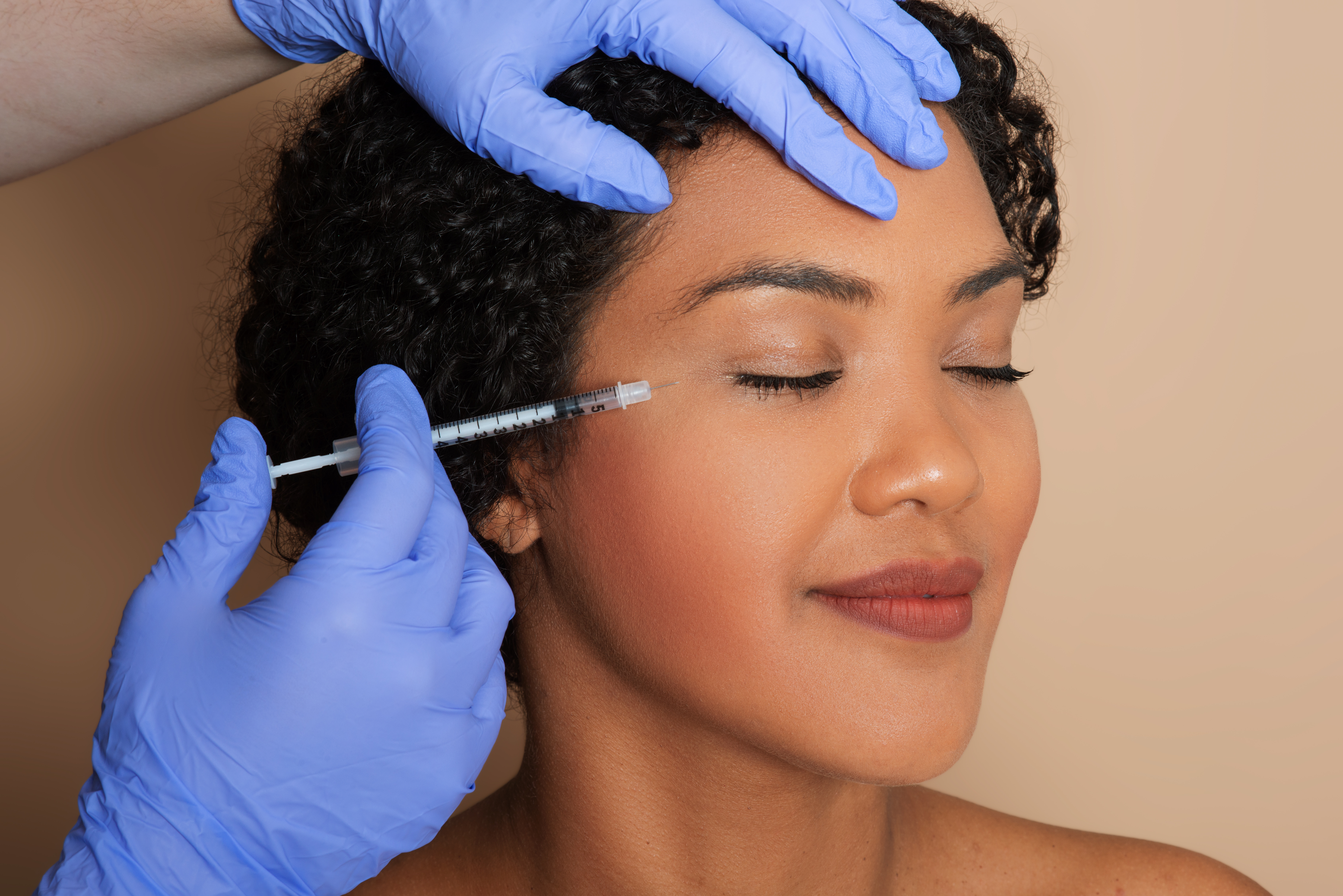
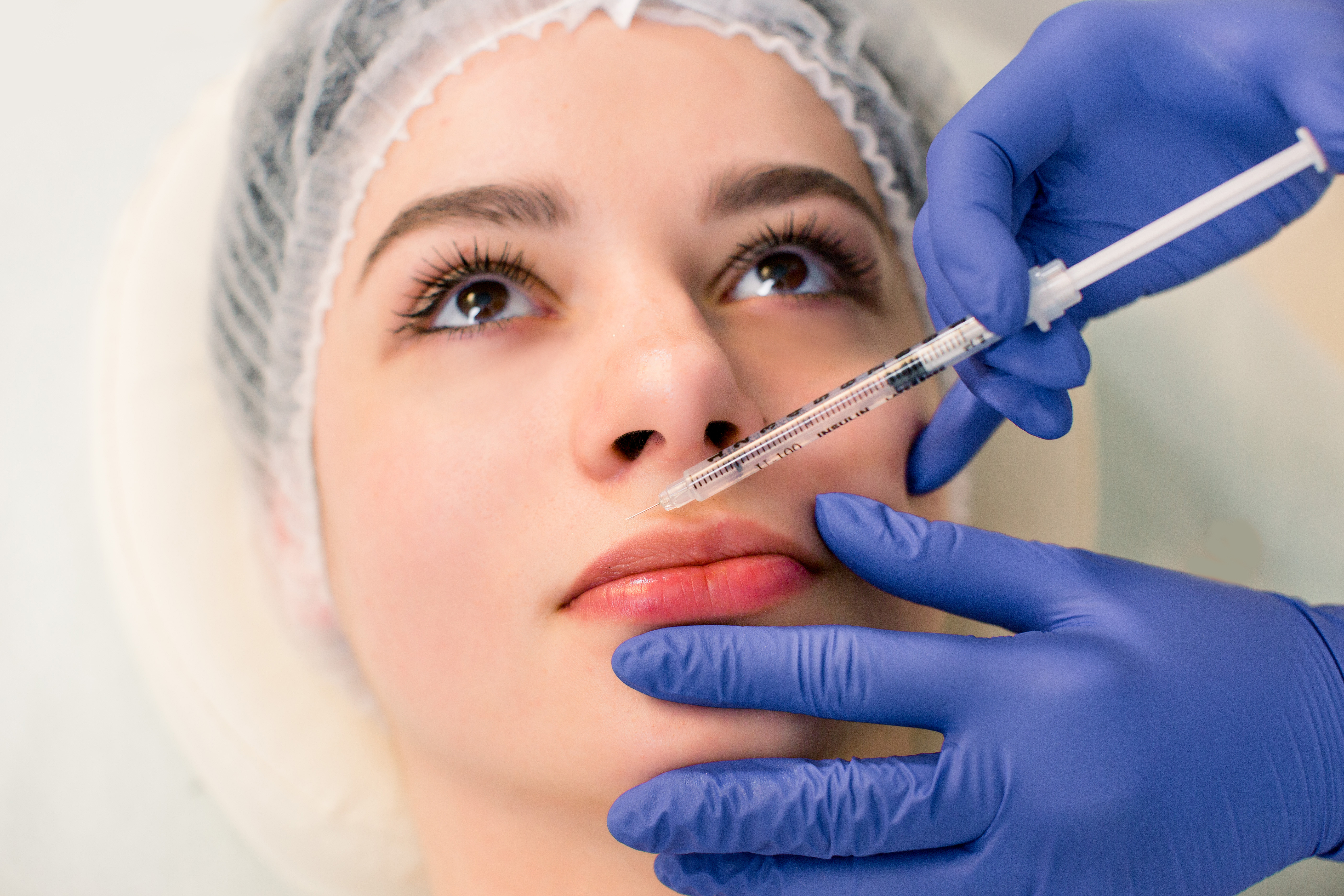
Not every filler treatment ends exactly the way a patient hoped. Sometimes volume settles unevenly. Sometimes a previous injector was too aggressive, or over time, the way a filler integrates with your face has simply changed. Whatever brought you here, the situation is more fixable than most people realize, and finding qualified filler removal specialists in the Miami area is the first concrete step toward getting there.
At Orah Dermatology, Dr. Joshua D. Fox and the cosmetic team approach filler correction as its own discipline, not just an afterthought to initial placement. With two convenient locations serving Miami and North Miami, the practice brings the same evidence-based philosophy to dissolving and correcting dermal filler that it applies to every other service it offers.

What Does Filler Correction Entail?
Let’s be honest: filler correction isn’t just one single thing. Often, a correction involves dissolving a tiny bit of excess lip filler that has gone from subtle to “wait, is that your natural lip?” Other times, it involves a much more involved process, such as dissolving migrated filler, removing stubborn nodules, or correcting significant asymmetry from dermal filler treatments. The right correction method depends on a number of variables: the type and amount of hyaluronic acid (HA) filler that was originally placed, how long ago the filler injection took place, and the condition of your tissues.
And the good news? The vast majority of cosmetic dermal filler products in use today are made with HA. For those seeking filler reversal, this is fantastic news: HA fillers are the only ones in existence that can be dissolved with a special enzyme. Instead of simply waiting for the body to naturally degrade the product, a dissolver can speed up that process and help remove unwanted filler.
Hyaluronidase and Filler Dissolving
The enzyme used for filler reversal is called hyaluronidase. Once injected, it dissolves HA by breaking the HA gel down via hydrolysis, the same hydrolytic breakdown process your body carries out normally as filler degrades over time. In clinical practice, the product starts working within minutes to hours, with most of the filler dissolved in 24 to 48 hours.
The FDA has been using hyaluronidase as a spreading agent for decades. And the use of hyaluronidase in the reversal of HA dermal filler is well-known. This doesn’t mean, however, that the outcomes will always be the same, or that all injectables are equal. In skilled hands, the right dosage and technique can mean the difference between smooth, seamless filler removal and the inadvertent dissolving of filler in areas that were never meant to be treated.
Filler Dissolving: Who Is a Candidate?
If you dislike the shape of your filler, or you just don’t like the texture of it, you may be a candidate for correction. However, different problems call for different treatments. For instance, you may be in need of filler correction if you:
- Have lumpiness that hasn’t resolved on its own
- Have uneven lips, or a pout with too much filler in the upper lip, giving it a protruding appearance
- Have facial asymmetry that was the result of your dermal filler treatment
- Have migrated filler in unwanted locations
- Have too much filler that makes you look heavy or “overdone”
- Have lingering post-procedure swelling or tenderness past a normal recovery time
It’s important to note: you won’t always require hyaluronidase to fix filler lumpiness. Many cases of nodularity can be treated with massage or by simply giving it some time to settle into place. In some scenarios, a clinical exam is necessary before we discuss dissolving any fillers. At your consultation, Dr. Fox will assess the area, identify which filler is most likely present, and honestly discuss whether a dissolving treatment would be your best option, or if we should explore other options instead.
Also, remember that the procedure is not for anyone who has received a non-hyaluronic acid filler, such as collagen, calcium hydroxylapatite, or poly-methyl-methacrylate. Hyaluronidase will not dissolve these products.
The Filler Correction Procedure
Most filler removal procedures are short. A topical numbing cream is applied to the area prior to the injection process, so most patients are quite comfortable during the procedure. Dr. Fox will place hyaluronidase at the site(s) where he identifies the filler to be located, with specific attention to the three-dimensionality of the injection sites. It is not uncommon for filler to disperse in a non-uniform manner following injection. Thus, a single point injection is often not sufficient to correct an entire area. At the injection site, we want to dissolve only the unwanted product. We also want the procedure to leave the surrounding anatomy and any properly placed filler volume unaffected.
You will see most of the desired result within the first 24 hours. Sometimes multiple injections are needed for optimal results. In that case, the second injection treats the product that was not dissolved with the initial injection or areas of the face that require more product dissolution. After the initial treatment, Dr. Fox will give you a clear indication of what your outcome could be.
Filler Dissolving Side Effects and Recovery Time
The downtime after filler removal is typically mild and can include some redness, swelling, and/or bruising. These side effects are usually less than when the product was initially injected, or no different from what you were experiencing following your original injection. Any bruise typically resolves with time.
You may feel mild discomfort for the first 24 to 48 hours. If ice packs help you feel better, apply them. We suggest avoiding activities that generate heat or involve high body temperatures during the initial post-treatment period. This may include saunas, hot yoga, or sun exposure. Strenuous physical exercise can be resumed within a couple of days.
It can be useful to keep in mind that your natural tissues are now uncovered, and this will appear more natural to you. In this sense, you may see a return of the problem that prompted the original treatment (wrinkles, volume deficits, irregularities of contour, etc.). Typically, we recommend waiting until the area is fully stable from the initial treatment (2 to 4 weeks) before considering re-treatment of an area with fillers.
Combining Filler Dissolving with Other Aesthetic Treatments
Filler removal can serve as a foundation for aesthetic enhancement and correction. Once the unwanted product is dissolved and the tissues have returned to baseline, a more pleasing treatment is possible, one that will work with your anatomy rather than mask the unwanted effects of previous injections. Dr. Fox operates with a simple philosophy at Orah Dermatology’s cosmetic practice: your result should still look like you, just a refreshed version of you. If you’d like to add some volume back, he can develop a strategy to address what your face requires, rather than attempting to redo the same treatment that didn’t produce the desired result the first time.
Other services at Orah Dermatology, such as laser therapies that address skin texture and complexion, can also integrate into a larger plan to correct the outcome of your facial treatments if that is what you seek. All of this information is gathered during your consultation, along with any other details needed to customize a plan for your individual situation.
Frequently Asked Questions
How many sessions will be required?
It depends on the amount of product that must be broken down and the body’s reaction to it. Expect to have at least one, perhaps two, sessions to get the desired result. Rather than just giving you a best-case scenario, Dr. Fox will let you know at your initial consultation what to realistically expect.
Will dissolving filler damage the skin or tissue around it?
Hyaluronidase is an enzyme that acts exclusively against hyaluronic acid. It will not damage any tissue or skin structures, and it won’t have a lasting impact on your tissue. Your body’s own hyaluronic acid is temporarily affected and replaced naturally.
Can I get filler back on the same day?
Normally no. Most providers, including at Orah Dermatology, suggest a minimum of two weeks before you return to get a different injectable treatment placed. This ensures that any swelling or fluid is no longer present, and gives a clear idea of what is and is not present in the area before anything new is applied.
What if my filler isn’t made of hyaluronic acid?
If you don’t know, bring any records from your original injection visit to your consultation with Dr. Fox. Anything other than HA cannot be broken down or dissolved in that manner, so it must be managed based on the type of filler that was used.
Is filler removal safe?
Yes, the dissolution of hyaluronic acid fillers with hyaluronidase is considered safe and effective. Like all injection-based procedures, it can cause bruising, swelling, and some discomfort. Occasionally, patients have allergic reactions. We’ll discuss those possibilities when you schedule your initial consultation and won’t gloss over any potential complication.
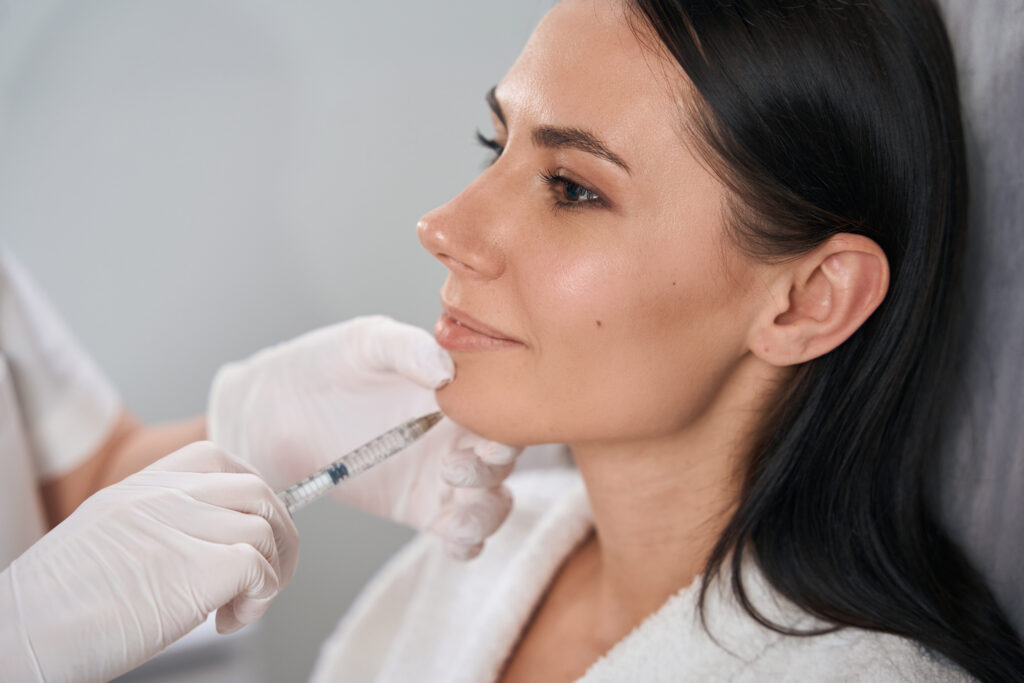
Filler Correction in Miami
If you’ve been searching for filler removal near you and want an injector with expertise beyond the cosmetic realm, Orah Dermatology‘s practice owner is double board-certified in both Dermatology and Mohs Micrographic Surgery, ensuring a surgical depth of knowledge with any injectable service he and his staff perform. This level of expertise helps patients reclaim natural-looking results and restore confidence, whether through a fresh consultation, a review of before-and-after gallery images, or a customized plan.
If you are ready for a no-nonsense consultation on how a correction may play out in your case, schedule with us now. Cherry Financing is available, the practice is bilingual (se habla español), and we are located in the greater Miami area with offices in Miami (7700 SW 104th St, Suite 212) and North Miami (12550 Biscayne Blvd, Suite 304).