Skin tags, those small, harmless growths that appear out of nowhere, can affect anyone at any age. Despite being non-cancerous, many people find them bothersome and seek effective ways to remove them. Skin tags can irritate the eyelids, neck, or other friction-prone areas, especially when they snag on clothing or jewelry.
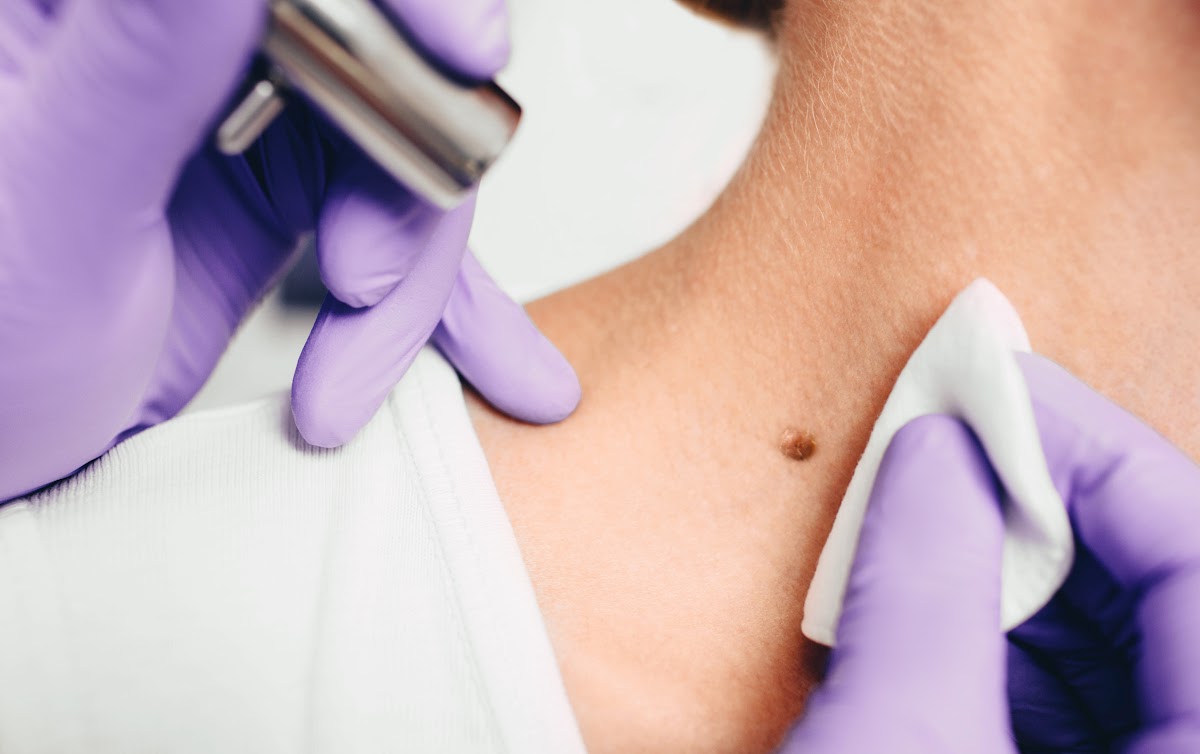
Skin tags, or acrochordons, are benign growths that hang from the skin and are typically the same color as your skin. They are generally benign skin growths that most frequently occur where skin rubs on the skin, such as the neck, armpits, groin, and breast area. Skin tags can appear on eyelids or any other location. Although not painful, clothing or jewelry can sometimes irritate skin tags.
Effective skin tag removal is easier than you think, with various treatment options available. Understanding the causes and prevention methods can empower you to take control of your skin health. This article includes everything you need about skin tags, including causes, treatments, and expert advice on removal options.
Causes And Characteristics Of Skin Tags
Skin tags can appear seemingly out of nowhere, making many wonder what brings them on. These small, benign growths, known medically as acrochordons, typically develop in areas where skin rubs against skin, like the neck, armpits, and groin. While the exact cause of skin tags remains unknown, certain risk factors can increase the likelihood of developing these skin growths.
Friction plays a significant role in skin tag development. People who are overweight or have diabetes may experience more skin folds where friction occurs. Hormonal changes, particularly during pregnancy, can also contribute to the formation of skin tags. Genetics may be another factor, as skin tags often run in families.
Understanding these causes can be the first step toward prevention. Maintaining a healthy weight, managing diabetes, and avoiding excessive friction on the skin can help decrease the chances of getting skin tags. Recognizing risk factors and adopting preventive measures is crucial for skin health. With this knowledge, individuals can proactively address potential skin tag issues and seek treatment when needed.
Why skin tags develop is not known, but most probably, they are associated with rubbing of skin over skin and this can explain their predilection for skin folds and creases. Hereditary factors may be involved because skin tags often run in families. Even though they occur more in adults and are very common in diabetics or obese individuals, nearly anybody can develop a skin tag sometime during their life.
Skin tags are small, often a few millimeters in diameter, but sometimes larger. They are typically attached by a stalk (peduncle) and are soft and moveable. Skin tags are benign and generally remain the same size or increase in size slowly with time.
Why You Should Consider Skin Tag Removal
Correct diagnosis of skin tags is critical since skin tags can also mimic moles, warts, or even skin cancer. Unlike skin cancers, skin tags do not bleed, are not complex, and cannot change color. Seek a dermatologist’s opinion if you notice any variations in the complexion of a skin tag, such as changes in size or color, or if it has become sore.
Ignoring skin tags can lead to:
- Irritation and discomfort
- Embarrassment, especially when they snag on clothing or jewelry
- Cosmetic concerns and frustration
Benefits of removing skin tags:
- Enhanced appearance – Helps you achieve clearer skin
- Boosted confidence – Feel more comfortable in your skin
- Prevention of irritation – Avoid discomfort caused by friction
- Professional assessment – Dermatologists can ensure proper diagnosis
- Safe and effective removal – Options like cryotherapy and minor surgical procedures offer relief
If a skin tag becomes irritated, assessing whether it should be treated is essential. Consulting with a dermatologist can help determine if what you see is a skin tag or something more concerning that may require professional assessment. This is crucial since skin tags can sometimes resemble other skin growths, including warts or moles, which could necessitate different treatment approaches.
Seeking removal options can provide relief and a clearer complexion. Dermatology practices offer a variety of methods, ensuring safe and effective ways to remove skin tags. Proactively addressing these skin growths can lead to a healthier skin surface and greater comfort in your daily life.
Treatment Options To Remove Skin Tags
Skin tag removal is straightforward and typically involves several effective methods. Many individuals seek treatment to enhance their appearance and eliminate discomfort caused by friction against clothing or jewelry. Various approaches to removing skin tags are suited to specific cases.
1. Cryotherapy
Cryotherapy is a standard method for frozen skin tags with liquid nitrogen. The treatment is quick and effective on small skin tags. The extreme cold kills the cells of the skin tag, and it will eventually fall off. The painless treatment is usually completed in a brief office visit, although sometimes repeated treatments are necessary to eliminate the skin tag.
2. Excision
Excision is the best for large skin tags or those that are in sensitive areas, such as near the eyelids. A dermatologist will numb the skin with a local anesthetic and surgically remove the entire skin tag with surgical scissors or a scalpel. This method provides immediate and effective results but must be done precisely to prevent scarring.
3. Electrosurgery
Electrosurgery is another effective procedure where high frequency electrical energy is used to incinerate the skin tag. The procedure is fast and efficient, mainly if several skin tags are treated at one sitting. A minimal probe is applied where the skin tag base is incinerated, severing the skin tag from the skin it is growing on, and cauterizing the site to prevent bleeding.
4. Ligation
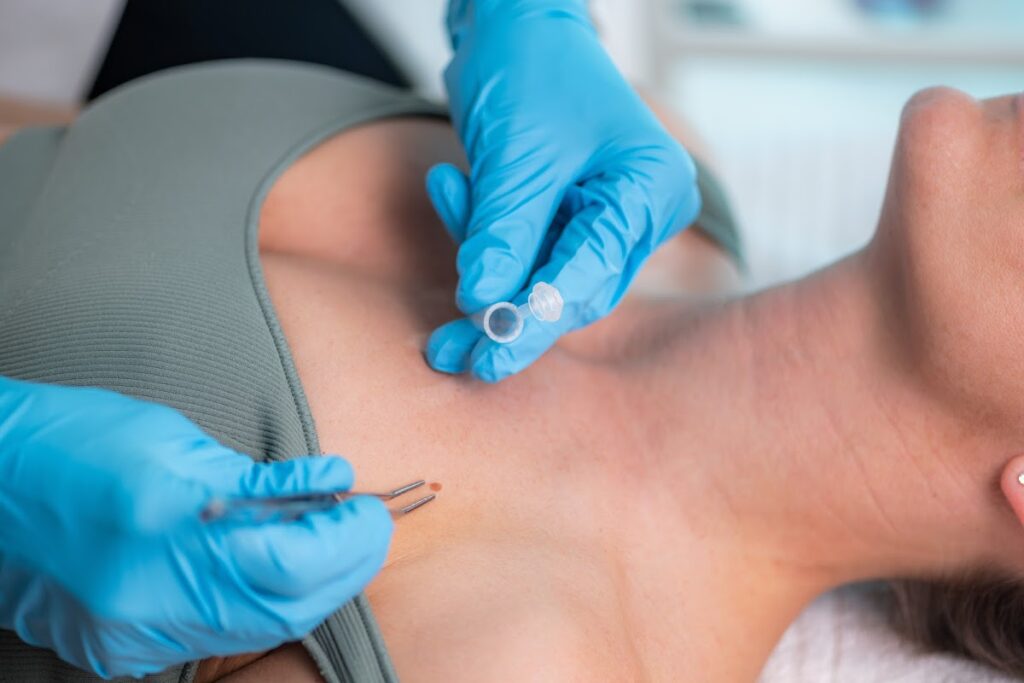
Ligation is tying off the pedunculated skin tag at its base with a suture or thread to cut off its blood supply. In a few days, the skin tag will die and fall off spontaneously. It is a straightforward procedure that may be effective, but must be carried out cautiously to avoid injuring adjacent tissues.
These removal techniques are safe and effective when performed by a trained technician or under strict at-home kit protocols. However, it’s necessary to visit a dermatologist to determine the best technique based on the size and position of the skin tag and the patient’s history. Professional removal is safe and eliminates the risk of infection, scarring, and other side effects.
Home Remedies For Treating Skin Tags
You might be surprised to learn that many people attempt to treat skin tags at home before seeking professional help. Several home remedies claim to remove skin tags effectively, but their efficacy and safety can vary. Some methods are simple and may offer relief, while others have risks.
One popular approach is the application of apple cider vinegar. Proponents suggest soaking a cotton ball in the vinegar and applying it to the skin tag daily. The acidity is believed to help break down the tissue, leading to eventual removal. Other remedies include tea tree oil and castor oil, frequently touted for their natural properties.
However, it’s crucial to approach home remedies with caution. Inaccurate application can lead to skin irritation, scarring, or infection. Moreover, it’s essential to differentiate skin tags from other skin conditions, such as warts or moles, which may require different treatments. If you notice changes in a skin tag’s appearance or have concerns, consult a dermatologist for proper evaluation and guidance.
While home remedies may be tempting, professional advice ensures safety and efficacy in skin care.
Preventing The Occurrence Of Skin Tags
Removing skin tags is often just a part of the overall strategy for skin care. Preventing them from appearing in the first place can save you time and stress. Simple lifestyle changes can significantly reduce the likelihood of getting skin tags and promote healthier skin overall.
1. Be At A Healthy Weight
Excess weight can double the number of skin fold sites, such as the neck, armpits, under the breasts, and groin. These folds create an environment where friction is more likely, thus elevating the risk of skin tags. A healthy weight achieved through exercise and diet can reduce skin folds and the risk of skin tags.
2. Wear Proper Clothing
Wearing loose, soft, non-irritant clothing can reduce skin friction. Refrain from tight clothing and rough material that will chafe the skin, particularly in areas where skin tags are likely to form. Choosing appropriate clothing is especially important when exercising or in hot weather because sweating may exacerbate skin irritation.
3. Practice Good Skincare
Maintaining the skin clean and moisturized can reduce irritation and help prevent skin tags from developing. Dry skin is more likely to irritate other skin or clothing as it rubs against them. Fragrance-free, mild cleansers and moisturizers can be applied to preserve the skin’s natural barrier function and reduce the risk of irritation.
4. Control Diabetes
In diabetics, blood sugar control is needed since high blood glucose levels could increase the risk of skin tags. High blood sugar can cause changes in the skin that are prone to skin tags.
5. Test Hormonal Levels
Hormonal changes, for instance, that present in pregnancy or conditions such as polycystic ovary syndrome (PCOS), predispose one to the formation of skin tags. Under the doctor’s advice, treatment of these conditions will do a great deal to prevent it.
Although these prevention measures can reduce the occurrence of skin tags, prevention cannot be guaranteed. If they occur, skin tags are innocuous but can be removed for irritation or cosmetic reasons. The ideal option is to consult a dermatologist for proper treatment or removal.
How Orah Dermatology Can Help – When To See A Dermatologist
If you’re unsure whether a growth is a skin tag or something else like a mole or wart, it’s always best to consult a dermatologist. At Orah Dermatology, we specialize in diagnosing and treating various skin conditions, including skin tags, moles, warts, and other benign growths. If you’re unsure whether a skin tag needs removal or if you have concerns about other skin irregularities, our expert dermatologists are here to help.
While they are typically not a cause for concern, you may want to see a dermatologist if:
- The skin tag is heavy or growing
- It is in a sensitive area, such as the eyelids or genitals
- It becomes irritated, painful, or starts bleeding
- You are unsure if the growth is a skin tag or another skin condition
- You want it removed for cosmetic reasons
At Orah Dermatology, we emphasize personalized treatments and compassionate care. Our modern offices have cutting-edge technology to provide the highest quality services. We welcome patients of all ages and skin types, ensuring personalized care tailored to your unique needs.
Contact Us
We have two convenient locations in Miami:
- Pinecrest Location: 7700 SW 104th Street, Suite 212, Miami, FL 33156
- North Miami Location: 12550 Biscayne Blvd, Suite 304, North Miami, FL 33181
To schedule an appointment or learn more about our services, please call us at +1 (305) 239 9191 or visit our website.
Recognizing Changes In Skin Tags
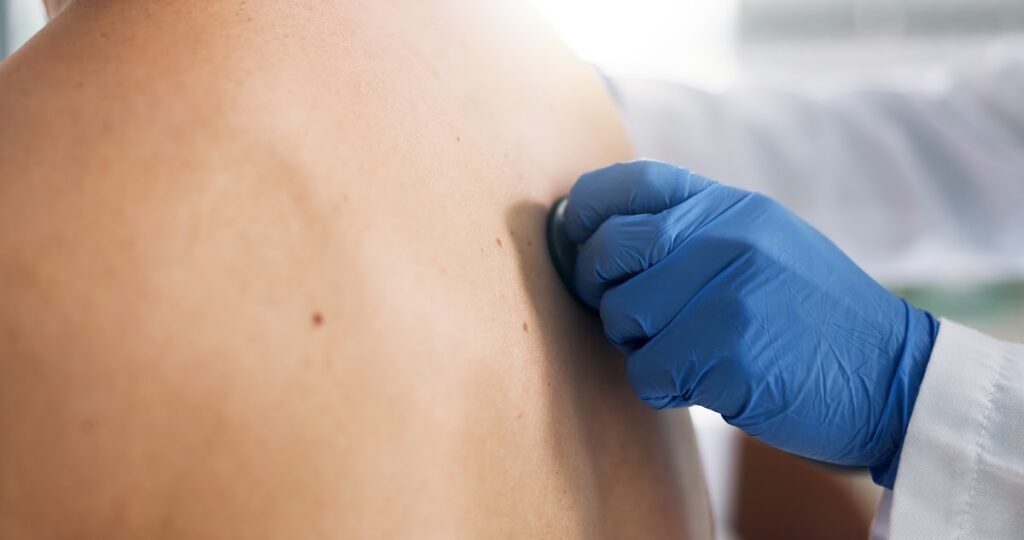
Noticing changes in a skin tag’s appearance can be critical in deciding whether to seek medical advice. Skin tags are usually small, benign growths that appear harmless. However, specific changes can indicate the need for further evaluation.
Pay attention if a skin tag changes color, becomes painful, or starts to bleed. These signs could suggest irritation or even developing a more serious skin condition. Skin tags that grow larger or change shape should also raise concern.
Regularly assessing your skin’s condition is essential for early detection of potential issues. If you notice any unusual changes or growths on your skin, it’s wise to consult a dermatologist. Expert evaluation can help differentiate between harmless skin tags and other skin growths that may require treatment. Taking action at the first sign of change can help safeguard your skin health. If you’re unsure about the changes you observe, a professional can offer clarity and guidance on the next steps.
Skin tags can be a minor annoyance, but knowing how to deal with them effectively can lead to better skin health and increased confidence. Removing skin tags doesn’t have to be a complicated process. With a mix of professional advice and available products, you can manage these growths efficiently.
Understanding when to remove a skin tag is key. Consulting a dermatologist is crucial if you notice changes such as color shifts, irritation, or unexpected growth. Proactive care and attention can prevent skin tags from becoming a recurring issue. If you have skin tags or concerns, consider contacting a qualified professional like Dr. Joshua D. Fox. Taking action today will help you achieve clearer, healthier skin tomorrow.