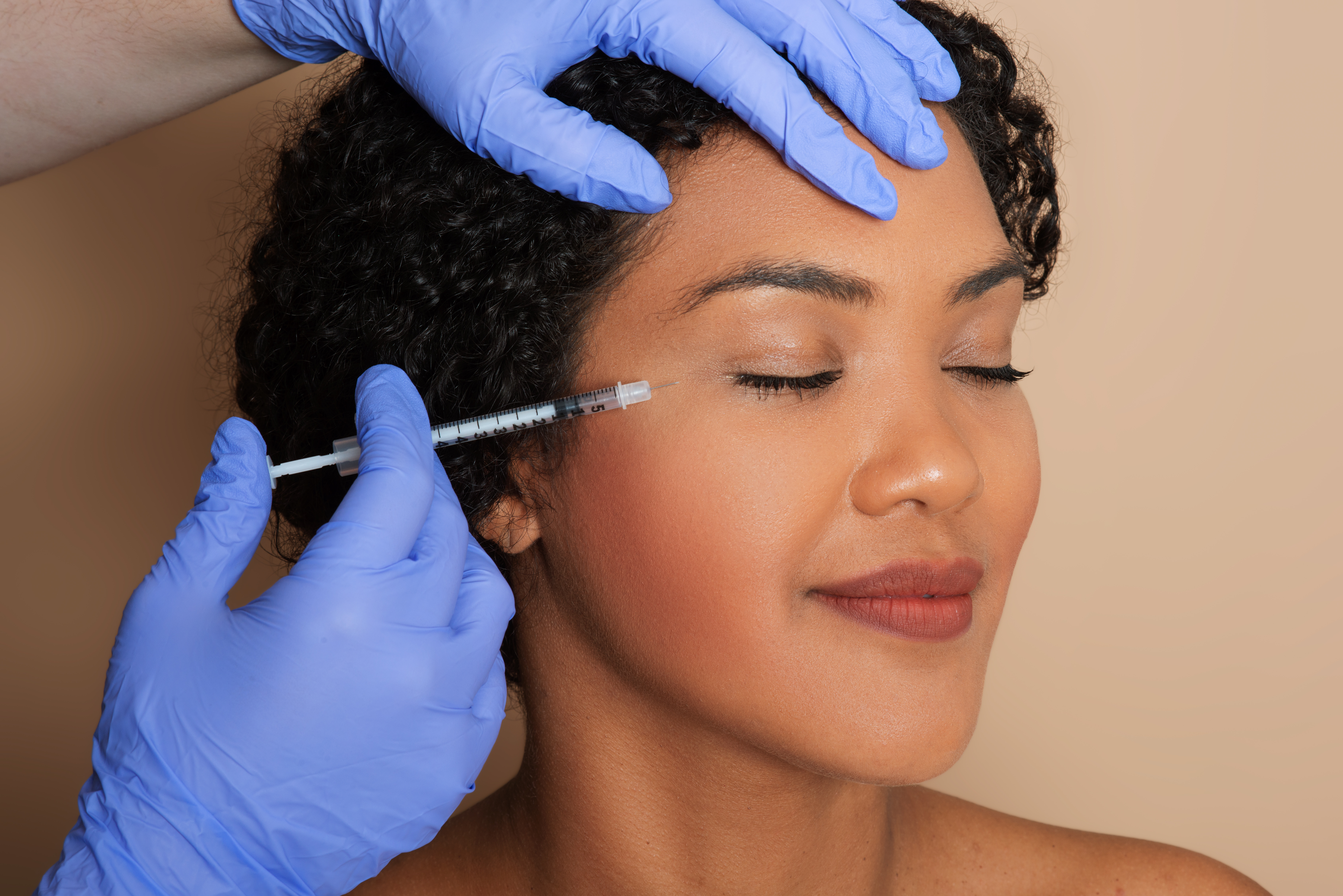
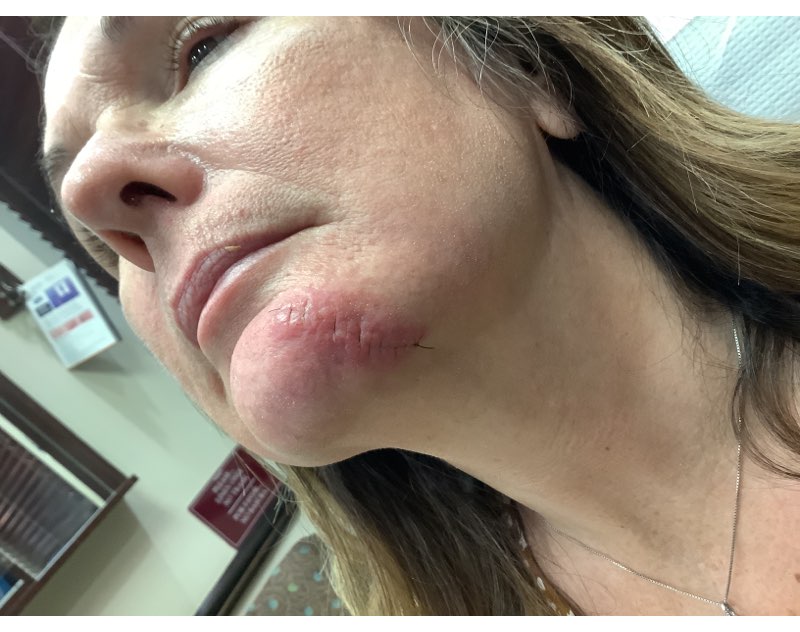
Mohs surgery is one of the most precise and effective ways to remove skin cancer while preserving as much healthy tissue as possible. But the journey doesn’t end when the procedure is over—how you care for your skin afterward plays a crucial role in healing, minimizing discomfort, and achieving the best cosmetic outcome. A smooth recovery starts with the right approach, and dermatology experts stress the importance of following a structured plan to reduce complications and promote optimal healing.
To help you heal with confidence, here are top recovery tips from leading dermatologists in Miami:
1. Follow Your Doctor’s Post-Op Instructions Carefully
Your dermatologist will provide personalized post-operative care guidelines, including wound care, medication instructions, and activity restrictions. Adhering to these instructions is essential for a smooth recovery.
Proper wound care directly impacts your healing and minimizes scarring. After the surgery, strictly follow your surgeon’s post-surgery instructions for the area of surgery. Clean the wound as directed and apply any prescribed dressing or ointments.
Look out for bruising and swelling for several days after the operation; both reactions to the process are expected. Keeping the wound clean and gently washing with mild soap and water will help prevent infection.
Contact your dermatologist immediately if you notice any infection signs, such as redness or thick discharge at the site. Taking care of issues early-on can significantly impact your outcome.
How to Manage Swelling and Bruising Properly
Swelling and mild bruising are common after Mohs surgery, mainly if the procedure was performed near the eyes, nose, or lips. To minimize these effects:
- Apply a cold compress or ice pack wrapped in a soft cloth for 10–15 minutes every few hours.
- Keep your head elevated while sleeping to reduce fluid accumulation.
- Avoid bending over or engaging in strenuous activities that may increase swelling.
- Avoid heavy lifting, bending over, or intense exercise for at least 1–2 weeks, depending on the surgical site.
- Keep facial expressions minimal if surgery was performed near the mouth or eyes.
Always consult your doctor before taking supplements, especially if you’re on blood thinners or other medications.
2. Manage Expectations During The Recovery Period
You may feel surprised by the recovery process following Mohs surgery. The timeline for healing can vary, but understanding what to expect helps you prepare. In the days after surgery, it’s common to experience swelling and bruising around the wound site. These are normal responses as your body starts the healing process.
Don’t overlook the potential for scarring. While Mohs surgery aims to remove cancer effectively, the surgical site will have a scar. The visibility of this scar largely depends on a number of variables including the location of the procedure and how your body heals. Proper wound care is critical at this stage, as it promotes optimal healing and can minimize the appearance of scars.
Healing happens in stages, and trying to rush it can slow things down in the long run. Keep in mind that following your surgeon’s instructions can significantly enhance your recovery experience, leading to healthier skin and improved outcomes.
Here’s what to expect during the healing process and how to mentally and physically prepare for recovery.
Healing Phases After Mohs Surgery
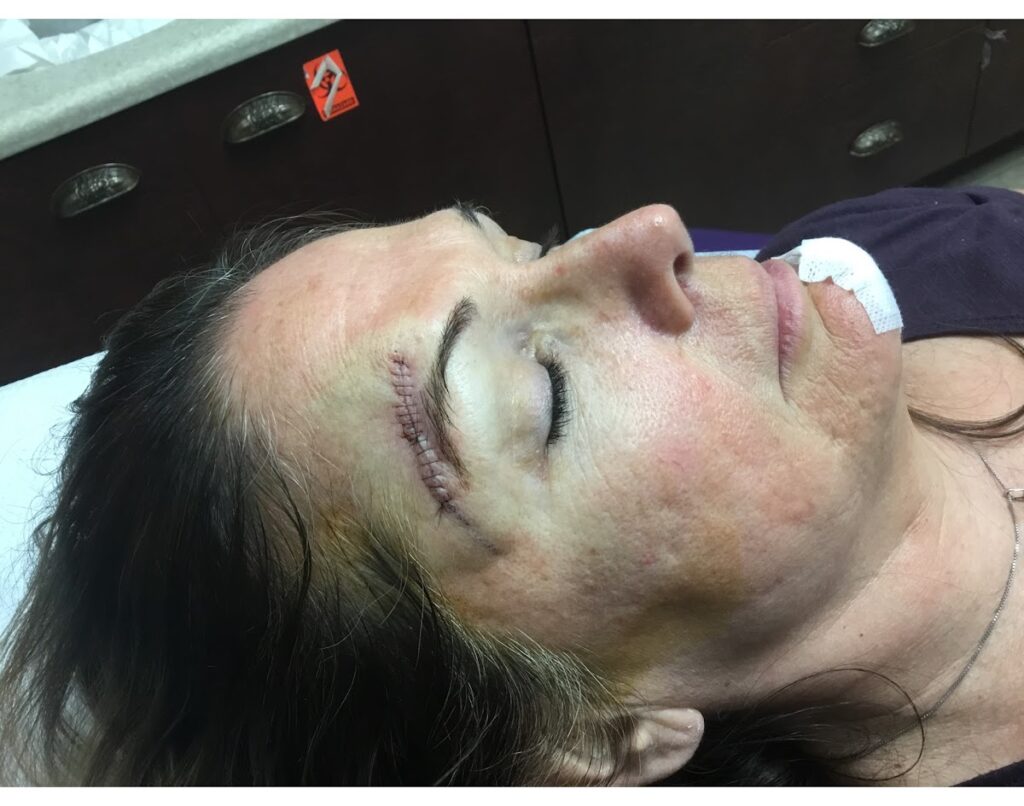
- Days 1 – 3: Pain, swelling, and possibly bruising. The wound is fresh, and sutures (if placed) are still intact.
- Days 4 – 7: Swelling begins to subside, and scabbing or crusting may form over the wound.
- Week 1 – 2: Sutures (if placed) may be removed, and the wound begins to close. Bruising and soreness subside.
- Weeks 3 – 4: The healing area continues to improve. Pinkish or reddish discoloration is normal.
- Months 1 – 6: The skin remodels, and scars soften and blend into the surrounding skin.
- Up to 18 months: Scar maturation takes hold, and final healing results become more noticeable.
Don’t be in such a hurry – everyone heals in their own time, and some sites (like the nose, eyelids, or lips) may take longer for a variety of reasons.
What to Expect with Your Scars
- Early Stage (Weeks 1 – 4): The wound may appear red, raised, or bumpy.
- Intermediate Stage (Months 1 – 3): The scar begins to flatten and fade in color.
- Final Stage (6 – 12+ Months): The scar blends more with the surrounding skin. Some scars may take longer to mature.
Possible Follow-Up Treatments
- Laser therapy or microneedling to smooth out scars (more on that later).
- Steroid injections to soften raised scars.
- Scar revision surgery for more significant scarring concerns.
These options are typically considered after the scar has matured (6+ months post-surgery).
3. Recognize Signs of Infection and Complications
After Mohs micrographic surgery, vigilance is crucial.
Infections after Mohs surgery are rare but possible. Contact your dermatologist immediately if you notice:
- Increased redness, warmth, or swelling around the wound.
- Yellow or green discharge.
- Fever above 100.4°F (38°C)
- Persistent pain that worsens instead of improving.
Though rare, even more serious complications can happen. If you experience persistent pain, fever, or significant changes in your overall condition, don’t hesitate to contact your healthcare provider. Remember, early detection is key in effectively addressing any issues that may arise.
Maintaining open communication with your surgeon and following their advice will significantly improve your overall recovery experience. Taking these precautions ensures that any signs of infection are promptly managed, allowing you to heal efficiently and minimize the risk of skin cancer recurrence.
4. Prioritize Your Clinical Follow-Up Appointments
Follow-up appointments with your dermatologist are crucial for monitoring healing and detecting potential complications early. Most patients will have a follow-up visit within a few weeks post-surgery. If you’ve had skin cancer before, regular checkups (at least once a year) are key to keeping an eye out for any returning cancer.
Post-Mohs surgery, you must actively participate in your recovery to promote healthy skin. How you care for your skin can significantly influence the healing process. Start by avoiding direct sun exposure on the surgical site, as ultraviolet rays can hinder recovery and lead to more noticeable scarring.
Stay hydrated and maintain a balanced diet rich in vitamins A and C, crucial in skin repair. Gentle skin care products will help keep the area clean without irritating it. Avoid harsh soaps or scrubs that might disrupt the healing tissue. Your attitude toward healing can affect your physical recovery as well. Managing stress through light activities, such as walking, yoga, or other relaxing exercises, contributes positively to healing. Focusing on these aspects enhances your recovery, leading to healthier skin and better outcomes after surgery.
5. Explore Cosmetic Options After Healing
Once the initial healing from Mohs surgery is complete, many patients consider cosmetic options to improve their appearance. Scarring is a common concern after the surgical site has closed. Thankfully, effective treatments are available to minimize this impact.
Before undergoing any cosmetic procedures, make sure you give your skin enough time to heal.
When Can You Start Cosmetic Treatments?
- First 4 – 6 weeks – Focus on proper wound care and scar prevention (keeping the area moist and protected from the sun). Certain lasers can be considered at this time.
- At 3 – 6 months – One can consider scar improving treatments like laser therapy, dermabrasion or microneedling.
- At 6 – 18 months – Scars are fully mature, though one can continue to perform scar improving procedures.
Reconstructive surgery may be necessary depending on the extent of the wound and its location. This approach can help restore the skin’s structure and enhance aesthetics, making the scar less noticeable. If you have significant scarring, treatments like reconstructive surgery, silicone gel sheets, or topical creams can help soften and fade scars.
Scar revision procedures can provide more immediate results, especially for prominent scarring. Consulting with your dermatologist or cosmetic surgeon can help you weigh the benefits and risks of each option. By focusing on scar management and cosmetic procedures, you can achieve a more satisfactory outcome after your Mohs surgery.
Non-Invasive and Minimally Invasive Cosmetic Scar Enhancement Procedures
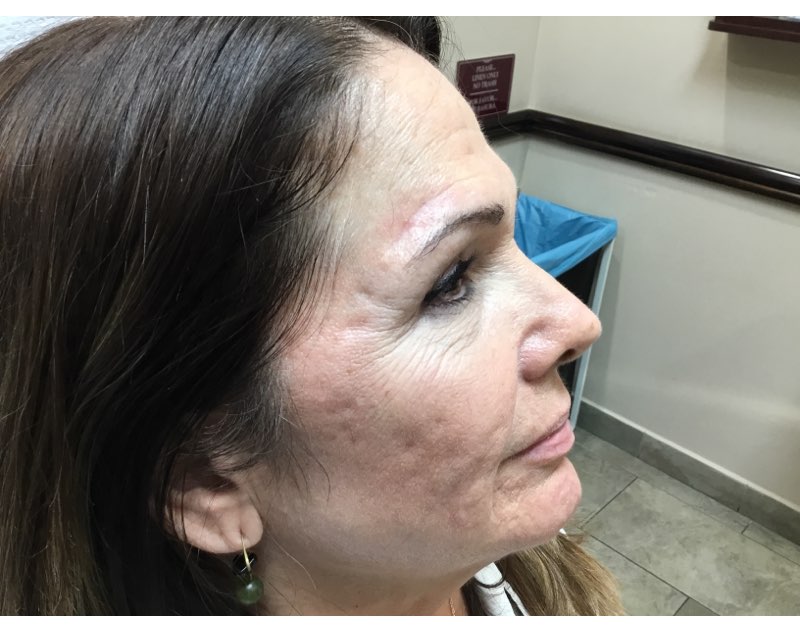
Several non-invasive and minimally invasive procedures are available for individuals wishing to improve the scars’ cosmetic appearance following Mohs surgery. They treat discoloration, raised or depressed scars, and textural variations.
1. Topical Scar Treatments
Topical therapies can help fade and soften scars, especially in the early healing period. Silicone sheets and gels improve scars when used consistently for at least three months. Vitamin C serums treat hyperpigmentation and boost collagen for smoother skin. Retinoids, like retinol and tretinoin, promote cell turnover to improve minor discoloration and texture and improve collagen production. Onion extract gels, such as Mederma, may also soften scar tissue. These treatments work best for superficial scars but are less effective for hypertrophic, keloid, or deep scars.
2. Laser Therapy for Redness and Texture
Laser treatments effectively reduce redness, improve texture, and stimulate collagen. Pulsed Dye Laser (PDL) and Intense Pulsed Light (IPL) target discoloration, while Fractional CO₂, Erbium, and Fraxel® lasers resurface the skin and smooth small depressions. These treatments work well for a variety of scar types.
3. Microneedling for Scar Refinement
Microneedling, or collagen induction therapy, creates controlled micro-injuries to stimulate collagen and soften scars. Platelet-rich plasma (PRP) can enhance results. This method improves scarring and can result in skin tightening.
4. Chemical Peels for Skin Tone and Texture
Chemical peels exfoliate the skin to reduce discoloration and soften scars. Glycolic and salicylic acid peels treat surface issues, while higher concentrations of trichloroacetic acid (TCA) peels address deeper irregularities. Deep phenol peels work on severe scarring but require downtime. These treatments suit mild to moderate scars but may not be ideal for very sensitive skin.
5. Dermal Fillers for Indented Scars
Injectable fillers like hyaluronic acid, Sculptra, and Radiesse restore volume to depressed scars, creating a smoother appearance. Best for sunken scars, this treatment does not work on raised scars or redness. Results typically last 6–12 months and require maintenance.
6. Steroid Injections for Thick or Raised Scars
Steroid injections help flatten thick, hypertrophic, or keloid scars over time. This treatment is effective for raised scars but does not improve depressed scars, which are better treated with fillers.
7. Scar Revision Surgery for Severe Scarring
For persistent or cosmetically displeasing scars, a plastic surgeon may perform excision and reclosure to refine the scar’s appearance. Z-plasty or W-plasty techniques can reposition scars for better blending. Surgery is typically reserved for significant scarring that does not respond to non-surgical treatments.
Moving Forward After Mohs Surgery
Completing Mohs surgery is a significant step in treating serious types of skin cancer, but the journey doesn’t end there. Ongoing care is crucial for maintaining healthy skin, preventing future issues, and aiding proper healing after the Mohs procedure. Your skin requires special attention, especially after surgery. Regular examinations with your dermatologist can help detect any early signs of recurrence and speed up wound healing, allowing for prompt intervention.
Educating yourself about skin cancer risk factors is also vital. Protect your skin from harmful UV rays using sunscreen and wearing protective clothing. Staying vigilant with self-exams enables you to monitor new changes and catch potential problems early.
Emotional support matters, too. Talking to a therapist or joining a support group can help you work through the experience of skin cancer treatment and recovery.
Expert Dermatological Care in Miami with Dr. Joshua D. Fox
At Orah Dermatology, we believe in providing holistic, patient-focused dermatologic care. Our mission is to provide compassionate, skilled and effective care to ensure the best outcome for every patient. In short, our aim is to treat every patient like family.
Dr. Joshua D. Fox, a double board-certified dermatologist in Miami, FL specializes in Mohs micrographic surgery and is dedicated to ensuring that patients receive the highest level of care.
Dr. Fox, a Miami native, completed his medical education at the University of Miami Miller School of Medicine and his dermatology residency at the University of Miami Department of Dermatology and Cutaneous Surgery. With extensive experience in treating skin cancer, wound healing, and post-surgical scar management, he has authored over 30 peer-reviewed journal articles. He continues to contribute to the field of dermatology.
Orah Dermatology offers comprehensive medical, surgical, pediatric, and cosmetic dermatology services to patients in Miami, North Miami, and surrounding areas. If you’re seeking Mohs surgery, scar treatment, or routine skin care, our team is committed to evidence-based treatments prioritizing your skin health and overall well-being.
To book a consultation with Dr. Joshua D. Fox, a renowned dermatologist in Miami, contact Orah Dermatology at our North Miami or South Miami locations. Call us at +1 305-239-9191 or email info@orahdermatology.com to schedule your appointment.