The alarming reality of melanoma, which is a serious type of skin cancer that can develop from benign moles, is the fact thousands are faced every year. The likelihood of improving treatment outcomes and survival rates lies in its early detection. In most cases, dangerous conditions manifest through changes in the skin. So, awareness is the key to protection. “The key to survival for patients with melanoma is early detection,” says Dr. Joshua D. Fox of Orah Dermatology. The subsequent parts of this article will thoroughly discuss melanoma and its symptoms, methods of detection, and the best treatment options that will help give you an upper hand in taking care of your skin.
Identifying Melanoma – Early Signs
Melanoma grows silently, so it’s important to be able to recognize its signs and symptoms so that one seeks treatment in time. The first ever signs of melanoma are a change in the appearance of moles or the coming of new skin spots. These changes include asymmetry, border, color, diameter, and evolution.
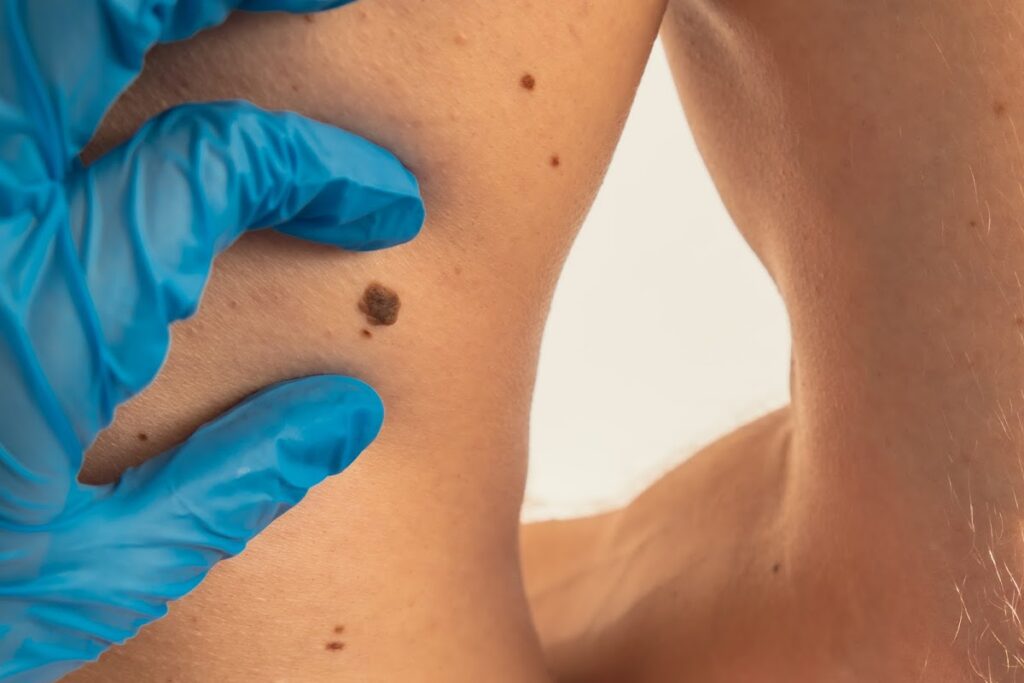
Asymmetry: A mole that does not have half that looks like the other half.
Border: Notched, ragged, or blurred edges.
Color: The presence of multiple shades within the mole, including brown, black, tan, red, blue, or white.
Diameter: Enlargement in size; it means an increased size, usually above 6mm.
Evolving: Any change in size, shape, color, or appearance with manifestations like itching or bleeding.
Other areas where melanoma is found, especially among people with darker skin, are on the soles and palms, which are not as exposed. All changes to the skin over a few weeks or months must be immediately brought to the attention of a health professional.
Early detection is very important, as basic diagnosis is more easily done then, and the possibility of successful treatment is higher.
Risk Factors That May Increase The Likelihood Of Developing Melanoma
Melanoma does not usually develop without underlying risk factors; certain risk factors are known to significantly increase a person’s potential for developing this serious skin cancer. One of the central risk factors for melanoma is extensive exposure to ultraviolet (UV) radiation, whether it emanates from the sun or from tanning beds. This type of radiation is harmful to the skin cells called melanocytes and is capable of causing changes that can lead to the development of cancer.
Moreover, genetic predisposition is involved. People whose families have had cases of melanoma are at higher risk. Fair skin, light-colored hair, and lightly colored eyes also increase one’s risk since the amount of melanin in such skin is lower, providing less natural protection from the effects of UV radiation.
It is equally important to note that the extent of moles, as well as their appearance, has a direct relation to increasing one’s risk of developing melanoma. Keeping track of moles for changes and seeing a dermatologist on a regular basis allows for detecting moles at the earliest stage when they are still treatable. Being armed with knowledge about these risk factors, anyone can start to take responsibility for one’s own skin health by reducing the risk factors for getting a melanoma diagnosis.
How To Spot Melanoma – Moles and Melanoma
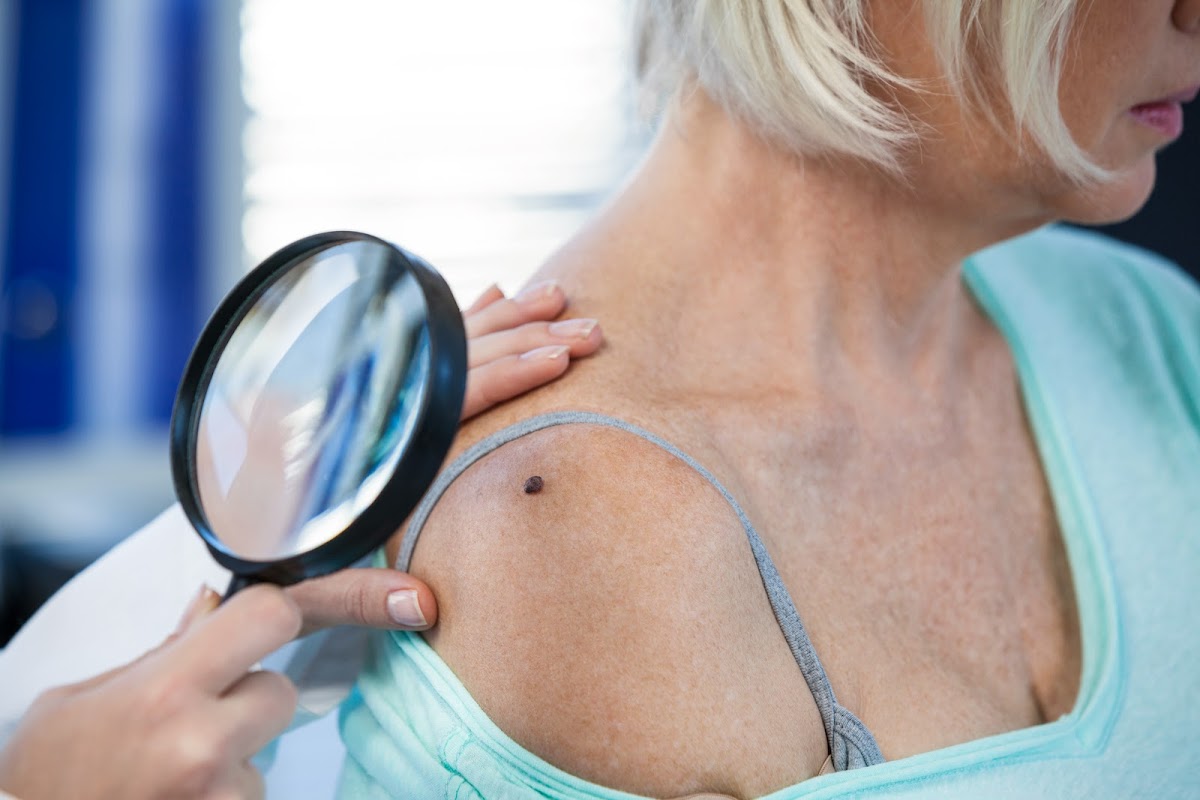
Many people don’t realize just how closely moles are related to melanoma. An existing mole can change and signal danger. Asymmetry, developing irregular borders, or color changes in moles can be early warning signs of melanoma, so watch for changes like these to ensure early detection.
Not all moles are created equal. Some types of moles are more likely to become cancerous. Atypical moles, or dysplastic nevi, are irregular and have a higher chance of progressing to melanoma. Frequently checking your skin identifies changes early enough so that you can have a professional evaluation through dermatology.
The very helpful A-B-C-D-E rule identifies melanoma in moles. It means Asymmetry, Borders, Color, Diameter, and Evolving changes. So, people would practice the technique to identify the warning signs correctly. Knowledge of moles and their effect is therefore crucial for skin safety and can save lives.
Full Range of Melanoma Treatment Options Available Today
Treating melanoma effectively requires early and appropriate intervention. The treatment options depend on the stage and extent of the disease:
- Surgical Excision: This is the primary treatment for early-stage melanoma. The procedure involves removing the tumor along with a margin of healthy tissue around it to ensure all cancer cells are removed. The excised tissue is then examined under a microscope to confirm that the margins are clear of cancer.
- Mohs Surgery: While typically used for basal cell carcinoma and squamous cell carcinoma, Mohs micrographic surgery can also be applied to melanoma in certain cases, especially for lesions in cosmetically sensitive areas like the face. Mohs surgery involves the meticulous removal of the cancerous tissue layer by layer, each of which is examined under a microscope until no cancer cells are detected. This method preserves as much healthy tissue as possible while ensuring complete cancer removal.
- Immunotherapy: This treatment leverages the body’s immune system to target and destroy cancer cells. Immunotherapy drugs, such as checkpoint inhibitors, have shown promise in treating advanced melanoma by helping the immune system recognize and attack cancer cells.
- Targeted Therapy: This approach involves drugs designed to target specific genetic mutations in melanoma cells. By focusing on these mutations, targeted therapies can effectively disrupt cancer growth and spread.
- Chemotherapy: Although less commonly used for melanoma compared to other cancers, chemotherapy can be an option for treating advanced cases. It involves using drugs to kill rapidly dividing cancer cells.
- Clinical Trials: Participation in clinical trials offers access to cutting-edge treatments and therapies not yet widely available. Patients should discuss with their healthcare providers to see if they qualify for any ongoing trials that can provide them with access to the latest innovations in melanoma treatment.
Specialized Care For Melanoma Skin Cancer
This can make all the difference if one has melanoma. A dermatologist is important for making sure that one gets the right diagnosis and an effective treatment. They are specially trained to recognize the signs of melanoma and note changes in your skin over time. Professional assessments with early interventions will significantly improve the outcomes in such cases.
Regular skin checks in patients at increased risk are very important. A dermatologist will then allow investigation of any suspicious moles or variations in the skin and deal with them promptly. Full treatment includes investigation, treatment, and education on protective measures to minimize risk factors.
Orah Dermatology is focused on providing individualized care and stresses a clear association between overall health and your skin’s condition. Proactive steps and seeking out specialized dermatologic care can, in the end, help empower a patient in the fight against melanoma.
Prevention Strategies to Reduce the Risk of Melanoma
Prevention is the watchword, particularly for those at high risk of developing melanoma. The following preventive steps can go a long way in keeping your risk as low as possible:
- Apply Sunscreen Religiously: Sunscreen is definitely one of the most effective ways to keep your skin safe from dangerous UV radiation. Slather on a broad-spectrum sunscreen with at least SPF 30. Apply generously 30 minutes before going outdoors. Reapply every two hours or immediately after swimming or excessive sweating. This practice will help to protect your skin from the sun’s damaging effects, which lead to melanoma.
- Avoid Tanning Beds: This is one of the highest risk factors for skin cancer, especially among youth. They radiate UV rays, which are the very same that can cause damage to skin cells and increase the chances of getting melanoma. Rather than using tanning beds, consider safer alternatives such as self-tanning products that will give you a bronzed look without as many associated dangers.
- Wear Protective Clothing: In addition to sunscreen, protective clothing offers a physical barrier against UV. Incorporate the following into your daily regime for sun protection:
- Long-sleeved shirts and pants: They cover more than short-sleeved shirts and shorts.
- Broad-brimmed hats: A wide brim can offer protection for your face, neck, and ears.
Sunglasses: For sunglasses, choose those that block 100% of UVA and UVB radiation to protect your eyes as well as the skin around your eyes.
- Seek Shade: Whenever out of doors, especially between peak sun times from 10 a.m. to 4 p.m., always seek shade whenever possible. Umbrellas, trees, and other structures provide needed relief from direct sunlight.
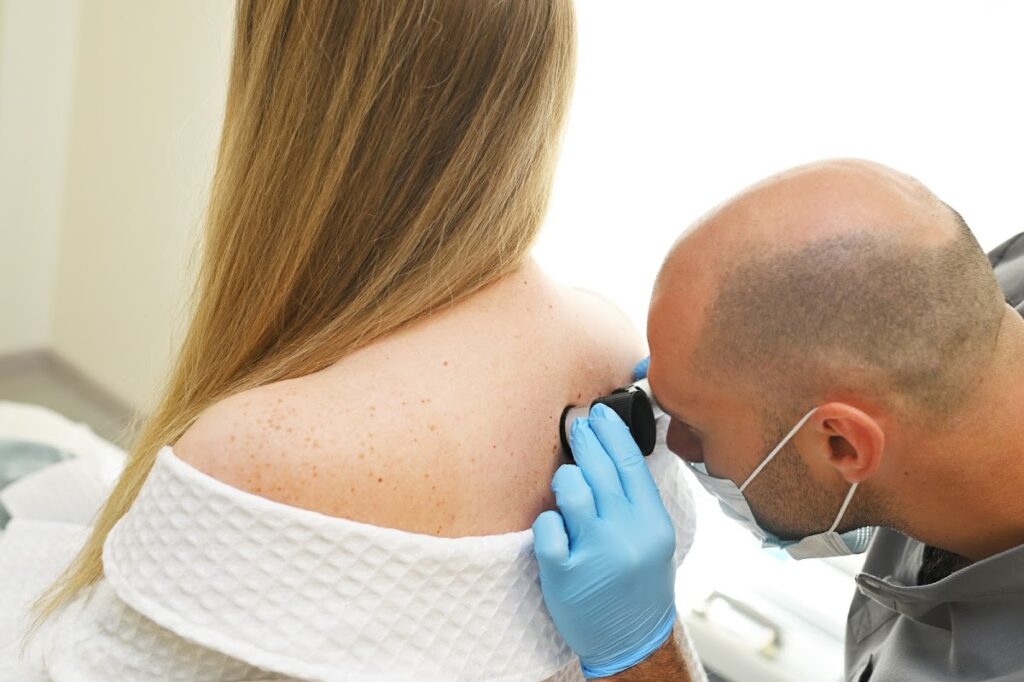
- Regular Skin Checks: Practice regular examinations of your skin to find any melanoma as early as possible. This can make a dramatic difference in treatment outcomes. Whenever possible, perform a self-examination every month for new moles or for changes in existing moles. Especially remember the ABCDEs of melanoma detection: asymmetry, border, color, diameter, and evolving. If you notice something that looks suspicious, see a dermatologist right away.
Living with Melanoma: Support and Resources
If you have just been diagnosed with melanoma, you may be feeling utterly overwhelmed and alienated. It’s important to know you are not alone. Joining a support group can be really helpful in sharing experiences, which in itself gives comfort: the realization that one is not alone. Many support groups can also offer excellent advice on how patients and their families should cope.
Equally important to the understanding of melanoma and its treatment options are educational resources. Organizations like the American Cancer Society provide extensive education to patients about melanoma, the recent developments in research, and ways in which they can become advocates. Knowledge empowers patients in their treatments.
Follow-up care is a very important part of managing melanoma. Regular dermatologist appointments will ensure that a skin exam continues to be done and possible recurrences of cancer are looked for. Being informed and engaged can make a big difference in the quality of life for melanoma survivors. They all add up to a network of help which one can draw on when living with melanoma brings its challenges.
Act: Check Your Skin and Safeguard Yourself from Melanoma
As far as melanoma prevention goes, nothing beats being proactive. Moreover, skin self-examinations will significantly increase the likelihood that you’ll detect changes at an early stage. Be on the lookout for new spots or changes in existing moles, particularly those that show asymmetry in shape or color. Be aware of the ABCDE rule: Asymmetry, Border, Color, Diameter, and Evolving changes. These are helpful guiding principles in performing self-examinations.
Professional skin checks are also important, majorly in those bearing the risk factor for skin cancer. A dermatologist will do full assessments and may suggest how often follow-ups are necessary. One should not lag in addressing the changes as early detection mostly offers more effective modes of treatment.
Adopting safe sun practices is of equal importance. Slathering on sunscreen, wearing protective clothing, and avoiding tanning beds decrease UV exposure. Conducting regular skin examinations with protection can better arm people against the dangers of melanoma. The time to act is now; these very steps taken today will determine a healthier skin for tomorrow.