A sudden flush across your cheeks or tiny purple threads around your ankles can feel like an unwanted spotlight. Those streaks are dilated capillaries (also known as spider veins, broken blood vessels, or telangiectasias), and they sit closer to the surface of the skin than healthy vessels. While makeup, green-tinted primer, or oversized sunglasses hide the color, they don’t solve the problem. Modern dermatology can.
Dilated blood vessels come in two primary forms:
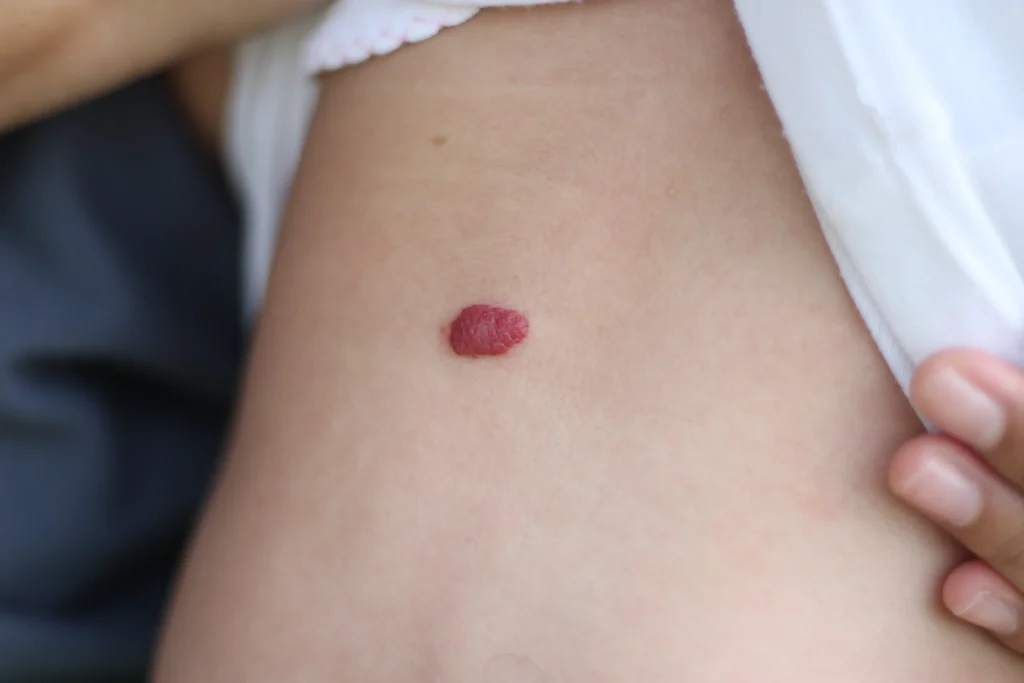
1. Hemangiomas
- Benign clusters of blood vessels
- Often appear as raised, red nodules
- Common in infants (strawberry hemangiomas) but can persist
2. Telangiectasias
- Flat, spider-like red or purple lines
- Frequently found on the face, chest, and legs
- May be triggered by sun exposure, genetics, rosacea, or aging
Recognizing which type you have is crucial. Although both involve tiny blood vessels, their structure and depth in the skin determine the most effective treatment approach.
Studies estimate that up to 50% of adults will develop visible dilated blood vessels, known as telangiectasias or “spider veins,” by the time they reach their 50s. Hemangiomas (benign vascular tumors) can show up even earlier, often in infancy, and sometimes persist into adulthood. If you’ve noticed new vessels popping up or you’ve long struggled with these vascular lesions, relief is within reach. At Orah Dermatology, we guide you through a simple three-step process to achieve clear, confident skin.
Why Small Blood Vessels Become Visible
Several forces combine to weaken the microscopic walls of a capillary until they dilate and stay permanently open:
- Sun exposure: Ultraviolet light thins collagen that supports vessels in the skin, a key cause of broken capillaries on the face and around the nose.
- Genetics: If Mom or Dad blushed easily or battled spider veins, chances are you will too.
- Rosacea & chronic inflammation: Ongoing redness triggers repeat vasodilation, stretching tiny veins beyond their limit.
- Hormonal changes & pregnancy: Increased blood volume widens veins; some never return to their original size.
- Lifestyle factors: Smoking, hot saunas, extreme exercise, or heavy alcohol consumption push fragile vessels to the breaking point.
Knowing these causes lets you reduce new damage with daily broad-spectrum sunscreen, gentle skincare, and smarter habits, an essential step before or after any professional skin treatment.
Proven Treatment Options For Removing Dilated Blood Vessels
At Orah Dermatology, we offer a suite of state-of-the-art therapies. Your plan may combine one or more of the following:
1. Laser Therapy
Pulses of focused light target and collapse unwanted vessels. Ideal for Superficial telangiectasias and small hemangiomas.
Benefits:
- Minimal discomfort
- Little to no downtime
- Precision targeting
2. Sclerotherapy
A sclerosant injection irritates the vessel lining, causing it to seal shut. Ideal for Larger spider veins, especially on the legs.
Benefits:
- Quick, office-based procedure
- Visible improvement after 2–6 weeks
- Effective for vessels up to 3 mm in diameter
3. Topical Treatments
Prescription creams reduce redness and vessel prominence. Ideal for Early-stage telangiectasias or maintenance post-procedure.
Benefits:
- Non-invasive option
- Can complement laser or injections
4. Electrosurgery and Excision
High-frequency electrical current or surgical removal for deeper hemangiomas. Ideal for Larger hemangiomas or those unresponsive to laser.
Benefits:
- Definitive removal
- Tissue sampling, if needed
Your dermatologist will explain each modality in plain language and tailor a plan that balances efficacy, comfort, and your lifestyle.
Laser and Light — Proven Treatment Options
Today’s vascular lasers target hemoglobin (the red pigment in blood). A pulse of light is converted to heat inside the vessel, causing it to collapse while sparing the surrounding skin. Several treatment options exist, each tuned to a specific depth and vessel size:
- Pulsed Dye Laser (PDL) | VBeam®: Best for facial redness, rosacea, and fine broken capillaries on the face. Sessions last 15-20 minutes with minimal downtime.
- Nd:YAG 1064 nm | GentleYAG®: Reaches deeper leg veins and early varicose veins that lie below the skin’s surface.
- Candela Vascular IPL | Nordlys™: A form of intense pulsed light (IPL) that treats a variety of vascular lesions, from port-wine stains to spider angiomas.
For larger or twisting vessels, sclerotherapy, injecting a solution that irritates and seals the vein, often pairs with laser therapy for a one-two punch. Most patients require two to four visits, spaced one month apart. Fees usually range from $200 to $500 per laser treatment, similar to other cosmetic skin procedures.
What To Expect After Laser Treatment
The area can feel like a mild sunburn for a day or two. Follow these tips to protect your investment:
- Apply a cool compress for ten minutes every few hours on day one.
- Use a bland, fragrance-free topical cream or aloe gel—no harsh actives.
- Avoid hot showers, vigorous workouts, or a sauna for 48 hours.
- Reapply SPF 30+ every two hours when outdoors; fresh vessels are especially UV-sensitive.
Full fading takes three to six weeks as the body re-absorbs treated vessels. New capillaries may appear over time, so annual maintenance—or an updated treatment plan—keeps skin clear.
Everyday Habits That Protect Your Skin
- Sunscreen, every single morning: UVA and UVB rays never take a day off.
- Gentle cleansers and serums: Products with niacinamide or vitamin C strengthen the skin barrier and reduce the appearance of redness.
- Limit extremes: Very hot showers, steam rooms, or icy facials cause repeated vasodilation.
- Moderate alcohol & quit smoking: Both widen and damage small blood vessels in the skin.
- Compression stockings: If you stand all day, they lower the pressure that makes spider and varicose veins bulge.
- Colorful produce & hydration: Antioxidants and water support collagen production and vascular health.
Who Should Consider Professional Care?
You may want to schedule a consultation when:
- Blush lines on your cheeks, chin, or around the nose stay visible even when you’re calm.
- Spider veins make you avoid shorts, dresses, or swimwear.
- Varicose veins may throb, itch, or ache, indicating deeper circulation issues.
- Topical creams and home remedies are no longer effective in reducing the appearance of redness.
An exam will determine if the concern is purely cosmetic or if medical treatment is required. Either way, personalized guidance is essential.
Why Patients Choose Orah Dermatology
At Orah Dermatology, laser therapy isn’t one-size-fits-all. Board-certified dermatologists and experienced laser technicians design each treatment plan around skin tone, vessel size, and lifestyle. Besides technology, our team focuses on education. You will leave understanding the causes of broken capillaries and exactly how to prevent new ones.
Need to reach us?
- North Miami: 12550 Biscayne Blvd Suite 304
- Pinecrest: 7700 SW 104th Street
- Phone: 305-239-9191
- Email: info@orahdermatology.com
Broken capillaries, spider veins, and other dilated blood vessels are common and can be treated. With targeted laser treatment, sclerotherapy, and thoughtful home care, you can reduce redness, restore even skin tone, and boost confidence.
Stick with sunscreen, avoid extreme heat, and consult a dermatologist if new vessels appear. Your skin and your self-image will thank you.
Schedule a consultation and start clearing unwanted vessels for good.