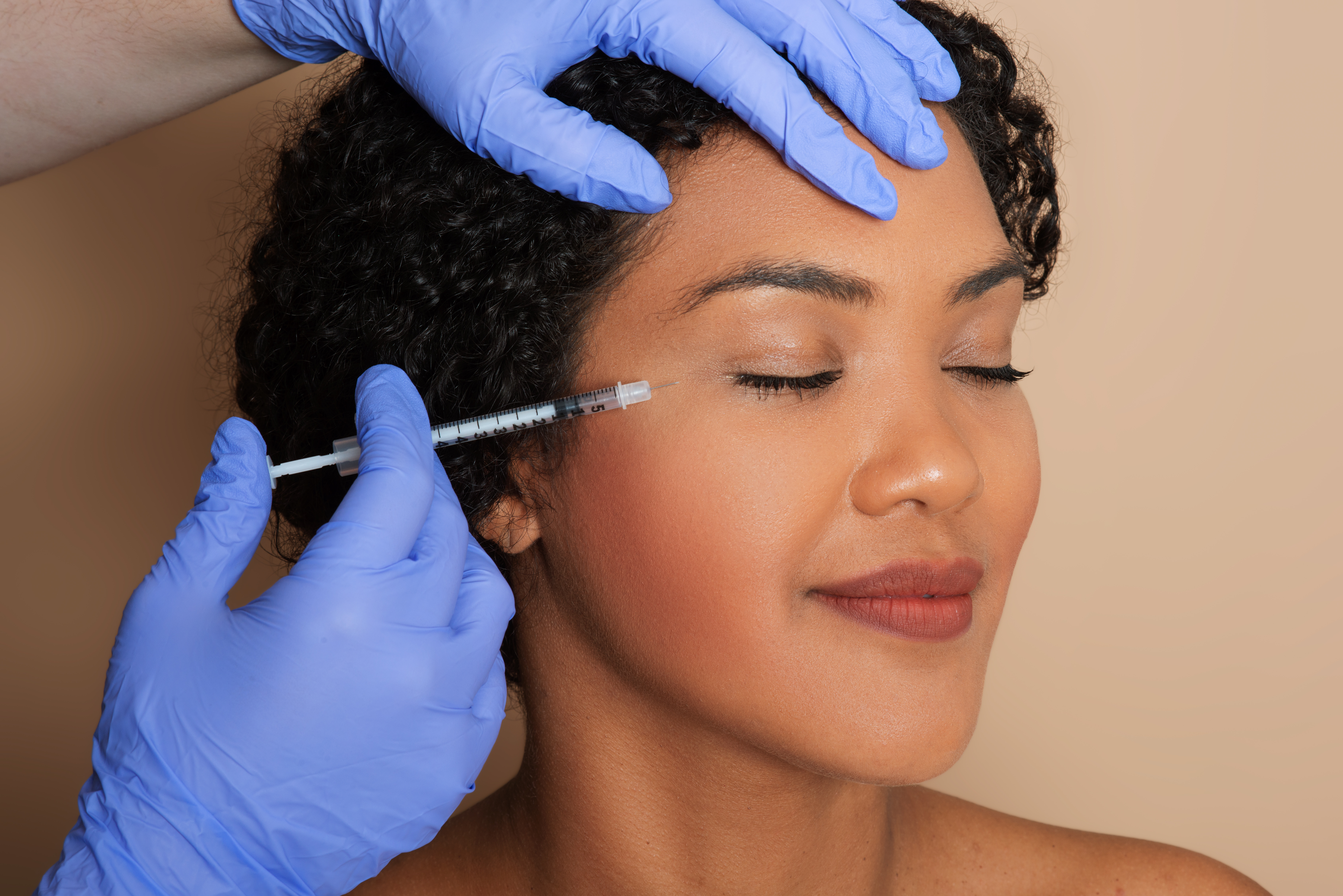
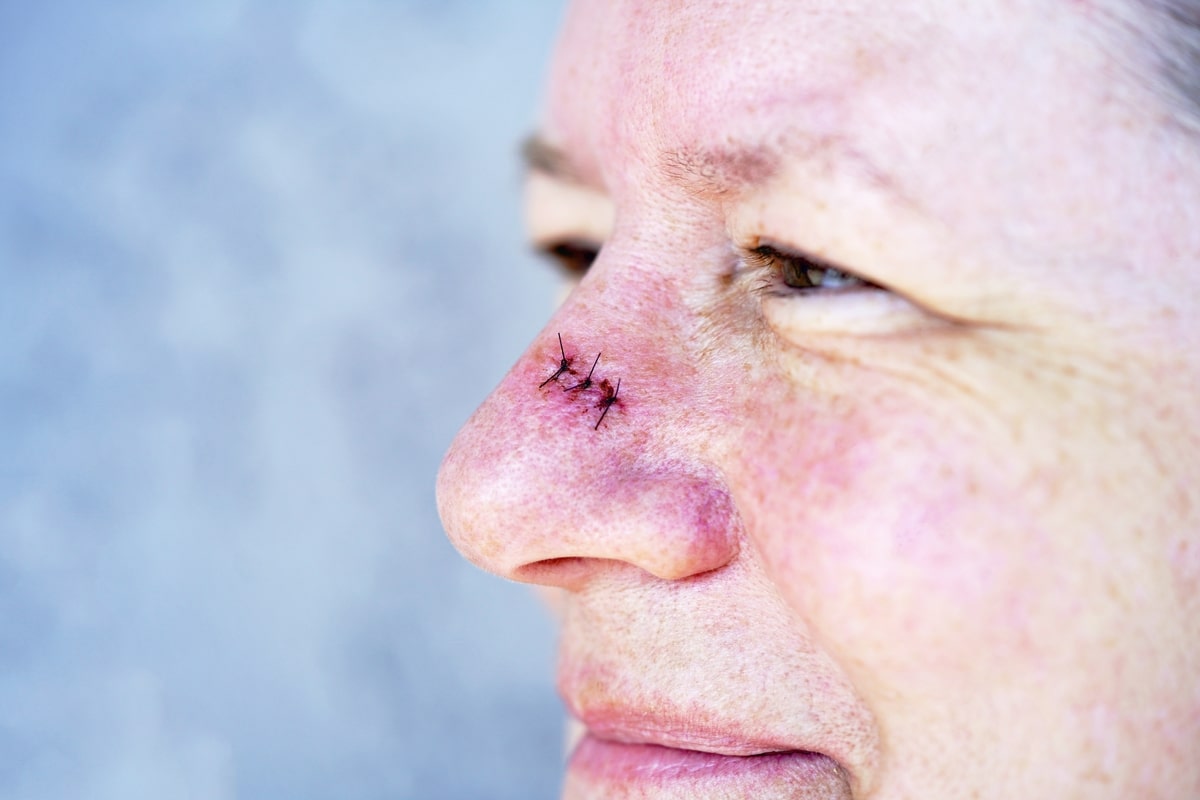
As the rays of modern life become more intense, an alarming increase in skin cancer cases paints a concerning picture. Amidst this growing epidemic, the necessity of effective treatment has never been more vital. This is where Mohs surgery comes in – a beacon for those diagnosed with basal and squamous cell carcinoma. In terms of the delicate nose area, Mohs micrographic surgery emerges as the unparalleled defender, prioritizing the preservation of healthy tissue and cosmetic appeal post-reconstruction.
This specific technique harnesses an exceptional blend of plastic surgery and dermatology, particularly in cases like Mohs surgery for the nose. The process involves carefully removing cancerous cells, flaps, or grafts and aesthetic reconstruction. Despite the anxiety around the word scar, especially around the nose, Mohs surgery’s defining trait remains its precision. Its sophisticated approach minimizes tissue defects, ensuring a more seamless recovery.
But what makes Mohs the go-to for nose skin cancer?
First, Mohs surgery has a significantly higher success rate in successfully removing basal and squamous cell carcinoma than other methods.
Keep on reading as we unpack the intricate science behind this strategy and unravel why many dermatologists, like Orah Dermatology, trust it implicitly. Consider this your journey through the common myths, truths, and unrivaled advantages.
Mohs Surgery — An Innovative Approach to Combat Basal Cell and Squamous Cell Carcinoma
Basal cell carcinoma, the most common form of skin cancer, casts a long shadow over the global health landscape. Rapidly claiming the second position in the skin cancer succession is squamous cell carcinoma. As this duo of skin malignancies gains traction, an unfailing surgical hero emerges: Mohs surgery. But what exactly is it, and why does its value resound magnificently within dermatology?
Mohs surgery combines the acute precision of micrographic surgery with the aesthetic finesse of plastic surgery. Known for its unique ability to spare healthy tissue while excising cancer cells, the technique has become a trusted tool in skin graft and local flap reconstruction. This process holds particular significance for nasal skin cancer patients, as it minimizes visible scarring and tissue defects.
So, how does Mohs surgery work?
A layer of skin is removed and examined under a microscope for cancerous cells. If these cells are present, another layer is removed and examined. This cycle continues until no further evidence of cancer cells remains. The dermatologist ensures cancer removal with each collected sample while retaining as much healthy tissue as possible.
The true strength of Mohs surgery for the nose nuzzles is its ability to accurately and effectively eradicate basal and squamous cell carcinoma. Dermatologists at Orah Dermatology favor it for its high success rates in eliminating cancer, improving reconstructive outcomes, and minimizing cosmetic complications.
This dynamic approach illuminates a promising path that ensures the patient’s medical and aesthetic victory.
The Role of Flap And Graft In Mohs Surgery Reconstruction
Restoring form and function after successfully tackling skin cancer in a delicate area like the nose is paramount to patient satisfaction. Mohs surgery on the nose offers a practical solution through reconstructive surgery that employs flap and graft techniques. This invaluable tandem ensures a seamless post-surgical recovery, but what distinguishes them in the reconstructive process?
In a nutshell, flap and graft represent two ingenious approaches to repairing unceremoniously invaded territories, such as the complex anatomy of the nose tip. Flaps involve utilizing adjacent healthy skin, detaching and rotating it to conceal the treated area. On the other hand, grafts involve transplantation – harvesting healthy skin from another area of the body and artistically crafting a patch to cover the surgical wound.
The magic of the flap and graft procedure in nasal reconstruction lies in its ability to adhere precisely to the nose’s unique topography. Mohs surgery allows for the skilled and agile deployment of various flaps, such as rotation or transposition flaps. Advancement flaps like the interpolation or paramedian forehead flap augment the procedure’s palette even further.
The Mohs surgeon at Orah Dermatology meticulously hones flap and graft techniques, restoring a patient’s self-confidence through impeccable nose reconstruction. Unlike a staged procedure, Mohs delivers the finest results with minimal discomfort and speedy recovery. So, if confronted with basal cell carcinoma or squamous cell skin cancer on the nose, Mohs surgery’s cure rate and reconstructive finesse reign supreme.
Discover everything you need to know about Mohs surgery for the nose, an exceptional procedure used to treat the most common types of skin cancer – and why Mohs surgery is the go-to choice for addressing skin cancer around the nose, eyes, and other delicate areas.
Reconstruction: The Intersection of Plastic Surgery, Cosmetic Considerations, And Reconstructive Procedures In Mohs Surgery
The precision of Mohs surgery for treating skin cancer, particularly basal cell and squamous cell carcinoma, is revolutionizing dermatology globally. However, the victory against these notorious carcinomas doesn’t end with Mohs micrographic surgery alone. Here, plastic surgery steps into the limelight, becoming an indispensable ally in managing post-Mohs reconstruction.
While the primary goal of Mohs surgery is to eradicate every cancer cell, the secondary objective is equally critical – restoration. Striking a balance between cosmetic and functional considerations is fundamental in reconstructive processes. Plastic surgery prioritizes not only the maintenance of normalcy in function but also ensures minimal scarring and aesthetic harmony.

Notably, the surgeon tailors the reconstruction to accommodate each patient’s unique needs, exploiting an array of reconstructive procedures. The surgeon wields techniques like skin grafts, local flap designs, and complex systems like nasolabial flaps with dexterity.
An exquisite example, the nasolabial flap, consists of harvesting healthy tissue from the cheek (the nasolabial fold) and repositioning it to address defects on the nose caused by cancer area removal. This detailed artistry, defined by precision and aesthetic innovation, assures a near-perfect camouflage of the treated area.
Bridging the worlds of oncology, plastic surgery, and dermatology, Mohs surgery showcases an unprecedented paradigm in skin cancer management. Minimizing tissue defects and promoting an exceptional cosmetic outcome, this procedure unveils an exemplary approach reaffirming the prowess of Mohs surgery for the nose.
Mohs Surgery Is the Go-To For Nose Skin Cancer
Mohs surgery, a transformative technique in dermatology, reigns supreme as the go-to for nose skin cancer. Utilizing unparalleled precision, it handles the arduous task of treating basal and squamous cell carcinoma, two heavy hitters in the sinister world of skin cancer.
Throughout our exploration, we’ve witnessed the extraordinary power of Mohs, showcasing its micrographic surgery’s sharp precision and meticulously tailored flap and graft techniques. These processes collaborate to secure the ultimate goal – completely removing cancer cells while preserving healthy tissue. This surgical symphony defeats the cancer and reconstructs the treated area, striking a harmonious balance between cosmetic appeal and functional preservation.
From the initial removal of cancerous tissue to the detailed artistry of reconstruction – which employs the likes of skin grafts, local flaps, and even the sophisticated nasolabial flap – Mohs stands unrivaled. The result? A seamless blend into your skin’s natural landscape, minimizing scarring and boosting self-confidence post-recovery.
Remember this!!!
Early detection is critical to successful skin cancer treatment, including Mohs surgery for the nose. If something doesn’t look right – a new growth, a patch that won’t heal, a change in an old development – consult a healthcare professional immediately.
Your nose is more than a prominent feature on your face; it’s a testament to your health – and Mohs surgery is your shining armor against the uninvited siege of skin cancer.
If you or someone you know requires Mohs surgery for the nose, don’t hesitate to reach out to Orah Dermatology. Your health and well-being are our top priorities, and we’re here to guide you through every step of the process.
Contact us today to schedule a consultation or to learn more about our services. Your journey towards healthier, cancer-free skin begins with Orah Dermatology.