



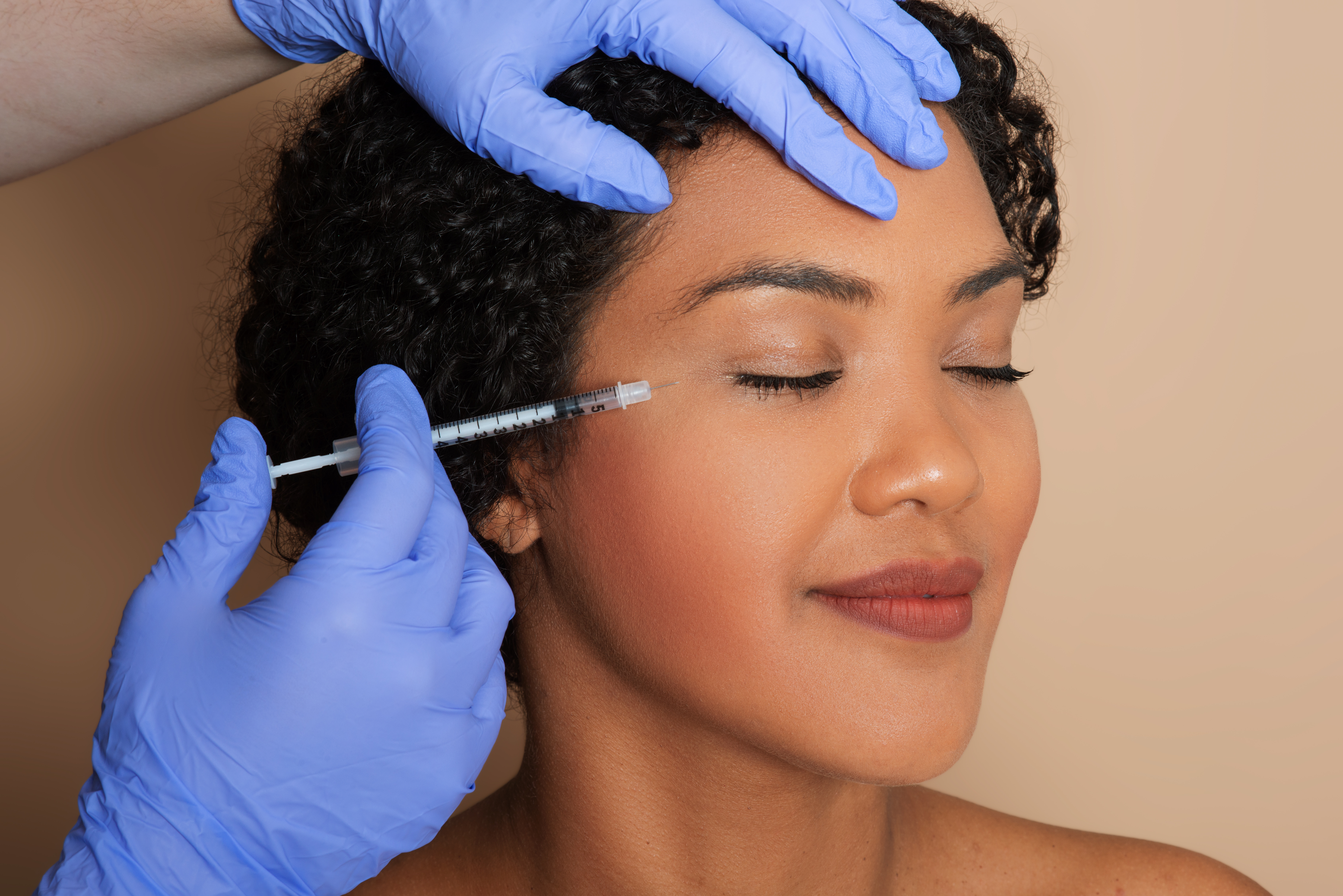
Crow’s feet are often one of the first signs of aging—and one of the hardest wrinkles to treat. One reason is constant facial movement, which makes treatments like Botox and Dysport especially popular. To choose the right treatment for crow’s feet, it helps to understand the differences between Botox and Dysport.
Botox and Dysport are popular treatments because they deliver natural-looking results. Our goal is to help you make the right choice without pressure.
If you’ve been thinking about anti-aging treatments, you’ve likely heard of Botox injections. Both Botox and Dysport injections are designed to reduce wrinkles and fine lines by relaxing the targeted muscles.
According to the American Society of Plastic Surgeons, botulinum toxin injections are among the most commonly performed cosmetic procedures in the United States. Why is this approach so popular? Simply put, it’s effective and safe.

How Botox and Dysport Work
Both products work in similar ways. Botox blocks nerve signals to the muscles in the treatment area, reducing movement. Dysport differs slightly in how it spreads and how quickly it takes effect.
In simple terms, the main differences between Botox and Dysport are:
- Botox tends to stay more localized, which allows for greater precision.
- Dysport diffuses faster, making it suitable for treating larger areas.
The products are both FDA-approved and considered safe when used by trained professionals.
Common Treatment Areas Like Crow’s Feet and Forehead
Botox and Dysport can treat wrinkles in several areas, including crow’s feet. When comparing Botox and Dysport, keep in mind they can treat more than just crow’s feet.
Here are the most common treatment areas:
- Forehead
- Lines between eyebrows
- Dynamic wrinkles caused by repeated facial movements.
There may be slight differences in the treatment technique depending on the area to be treated. However, both procedures deliver similarly strong results.
Key Differences Between Botox and Dysport Explained
Most people comparing Botox and Dysport are looking for a clear, straightforward answer. While the treatments are more similar than different, there are a few key factors to consider.
There are several key differences between Botox and Dysport, including how they spread and how precise they are.
- Botox offers more precision and tends to stay in a smaller, targeted area
- Dysport may be better for larger areas because it spreads more easily.
This doesn’t make one better than the other. It just means the choice depends on your specific goals and facial anatomy.
Differences Between Botox and Dysport in Onset and Results
Another difference between Dysport and Botox is how quickly results show up. Both treatments work quickly, but Dysport may show results slightly sooner—sometimes within a couple of days. Botox works a bit more slowly, with results typically appearing within a week.
In terms of effectiveness, both Botox and Dysport produce great results, as the effects usually last 3-4 months.
Botox Units and Dosing Differences
One of the most common questions is how many units are needed for Botox and Dysport. Are these units comparable? The answer is no – they aren’t. Botox and Dysport units are not the same, and 1 unit of Botox is not equal to 1 unit of Dysport.
Dysport requires more units to have a similar effect to Botox. The number of units varies from patient to patient and depends on the region and intensity of the effects.
This is why working with an experienced provider matters. Proper dosing is key to getting natural results.
Botox Vs. Dysport: How To Choose The Right Treatment Plan
Now that you understand the differences, let’s look at which option may be right for you.
Deciding whether to use Botox or Dysport mostly depends on the treatment area and the desired result. Botox is often preferred for smaller, precise areas because it stays more localized. Dysport, on the other hand, is often better for larger areas because it spreads more easily.
As for crow’s feet, both types of injections tend to be equally effective. The choice will depend on the muscle structure of each patient and your provider’s recommendation.
At Orah Dermatology, we always recommend that our clients opt for personalized treatment plans. These are achieved through consultations that determine the right product and number of units needed.
A consultation helps to decide:
- Which product will give the desired result?
- How many units will be required?
- Where exactly the injections should be placed.
It’s easier to make a decision when you understand your options.
Uses Of Botox Cosmetic And Dysport Injections Beyond Crow’s Feet
While most people associate botulinum toxin with crow’s feet, Botox Cosmetic and Dysport have a much wider range of uses.
Here are the most common uses:
- Forehead lines
- Vertical lines between the eyebrows
- Fine wrinkles caused by constant facial expressions
The products can be used both to eliminate existing wrinkles and to prevent new ones from forming. They can also be used preventively, even for younger patients.
One of the biggest benefits of these products is that they can be used not only as treatment but also as preventive therapy.
Regular applications can help to:
- Reduce the depth of existing wrinkles.
- Smooth the skin surface.
- Prevent the formation of wrinkles.
Both Botox and Dysport treatments can be used for these purposes. When used consistently and appropriately, these treatments can deliver strong, long-term results.
Main Differences Between Botox And Dysport And What To Expect
When comparing Botox and Dysport, it’s important to consider the full treatment experience.
One of the most important aspects of the procedure is how the patient experiences treatment and post-injection recovery. Both Botox and Dysport are rather painless, and the whole procedure lasts only about 30 minutes.
Typical reactions include:
- A small injection site reaction (redness, swelling)
- All symptoms subside quickly
These are common side effects. It’s essential to follow all the recommendations to avoid complications.
Results, Longevity, and Maintenance
In terms of results and longevity, both treatments are quite similar. Results typically appear within a few days to a week and usually last 3–4 months. To ensure a long-lasting effect, it’s recommended to repeat the procedure.
The differences between Botox and Dysport can be noticeable at the initial stages, but they disappear over time, as your dermatologist adjusts your optimal treatment plan.
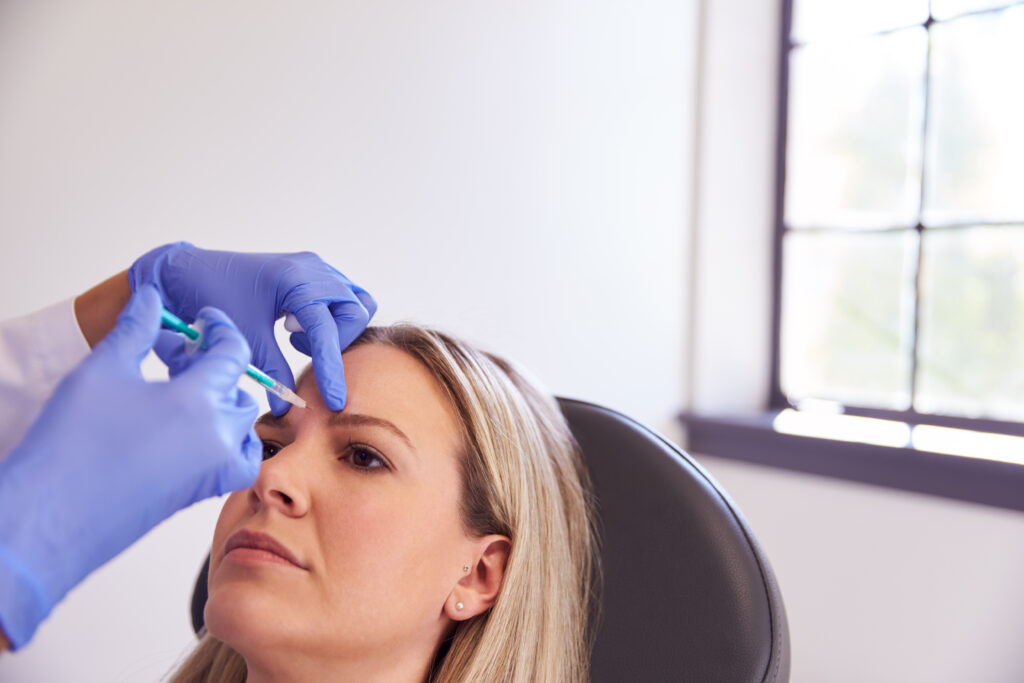
Dysport Vs. Botox: Which Treatment Is Right for You?
We hope that by this point you’ve realized that there’s no need to pick one procedure over another since they can work equally well for your needs.
Several factors should be taken into account while selecting the appropriate method. These include:
- Area of application – precise areas are more suitable for Botox, and Dysport is often better for larger areas because it spreads more easily.
- Desired result and the time it appears.
- Experience in using Botox and Dysport injections.
- Individual aesthetic goals.
These are not major differences, but they can affect how satisfied you are with your results. The most important thing that most people underestimate is the skills of the professional performing the injections. While Botox and Dysport differ a little, the experience of your provider can play a crucial role.
A knowledgeable provider understands:
- Exact number of units needed
- Correct placement to ensure natural facial movements.
- How to adjust your treatment plan over time
The main goal of our specialists at Orah Dermatology is not to pressure you to use Botox or Dysport but to guide you towards the optimal treatment plan.
Ultimately, the goal of comparing Botox vs. Dysport is to find the option that delivers the best results while maintaining safety. Both treatments can soften crow’s feet, improve the appearance of fine lines, and help you feel more confident in your skin.
At Orah Dermatology, all Botox and Dysport treatments are tailored to each patient, and each patient receives expert guidance from experienced dermatologists.
Contact us today to schedule a consultation and learn more about the procedure.