Why is Mohs Surgery important in skin cancer treatment?
Mohs Surgery is a type of skin cancer surgery that can be used to remove basal cell carcinomas and squamous cell carcinomas. This specialized procedure removes all layers of the tumor, including any microscopic disease that may have spread beyond the visible surface.
The meticulous nature of Mohs surgery ensures the complete removal of cancerous tissue while preserving as much healthy tissue as possible. This approach not only increases the chances of successful treatment but also contributes to a smoother Mohs surgery recovery, allowing you to recover quickly with minimal scarring and discomfort. As a result, you can get back to your normal activities sooner than if traditional methods were used instead.
The Mohs Surgery procedure explained
During Mohs Surgery, a dermatologist or other qualified medical professional who specializes in treating skin conditions removes a thin layer of cancerous tissue from the patient’s skin. This layer is then examined under a microscope to determine if any cancer cells are still present at the margins of the excised tissue. If cancer cells are detected, another layer of tissue is removed, focusing specifically on the areas where cancer cells remain. This process is repeated iteratively until no cancer cells are detected in the examined tissue, ensuring that the removal is as precise as possible.
The meticulous nature of Mohs Surgery helps to achieve several key objectives:
- Tumor Removal: The primary goal is the complete removal of cancerous cells, minimizing the chances of recurrence.
- Tissue Preservation: By examining each layer of excised tissue, the surgeon ensures that only the cancerous tissue is removed, leaving healthy tissue intact.
- Cosmetic Outcome: This technique is particularly valuable in areas where cosmetic appearance is vital, such as the face, as it minimizes scarring and tissue loss.
The process of Mohs Surgery requires specialized training for both the surgical excision and the microscopic examination of tissue samples. It typically takes place within a medical office or outpatient setting, often completed within the same day. Local anesthesia is usually administered to numb the area before the procedure, which helps minimize discomfort during the surgery.
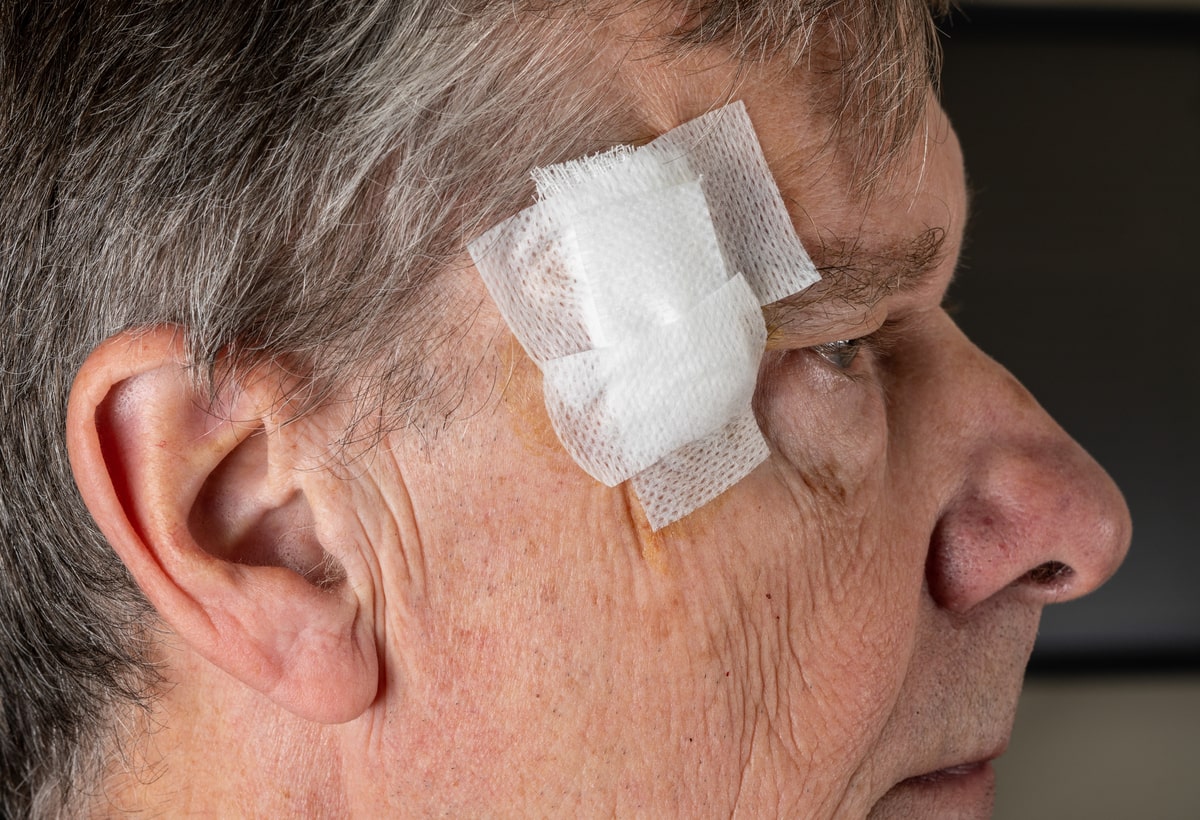
Mohs Surgery recovery is generally well-tolerated, though the extent and duration of recovery can vary depending on the size and location of the excision. After the procedure, patients are usually provided with specific post-operative instructions, which may include wound care, pain management, and avoiding certain activities that could impact the healing process. Swelling, bruising, and discomfort are common in the initial days following surgery, but these symptoms typically subside as the wound heals. Patients are advised to closely follow their dermatologist’s guidelines for optimal healing and to attend any recommended follow-up appointments to monitor progress and ensure a successful outcome.
Normal timeline for Mohs Surgery recovery
You should expect to be out of work for at least a week, but it’s best to check with your doctor on how long you should take off.
During your Mohs surgery recovery, you will need someone to help you. You may not be able to do anything for yourself at first and will need someone else around who can help administer medication, change bandages and dressings if needed as well as assist with other things like eating or bathing.
Importance of adhering to the given medical advice after skin cancer surgery.
- Pain management: This is an important part of your recovery. You will likely be given painkillers, antibiotics, and anti-inflammatory medications to help manage discomfort after skin cancer surgery.
- Antibiotic ointment: After Mohs surgery, it’s important to keep your wound clean and protected from infection by applying antibiotic ointment twice daily for at least five days.
- Steroid injection: A steroid injection may be recommended if you have more than four or five lesions removed during the procedure; this helps reduce swelling and promotes healing without scarring at the site of incisional closure (the place where stitches were placed). It can also reduce postoperative bleeding by constricting blood vessels in surrounding tissue so that there is less bleeding when removing tumors during surgery.
- Bandage removal: When removing bandages after Mohs surgery, gently wash any dried blood away with soap and water before applying fresh gauze pads over all wounds except those covered by stitches.
- When returning home after Mohs surgery? You should plan on staying overnight at an outpatient facility following your surgical procedure; however, some patients choose not to do so due to their busy schedules or other reasons not related strictly to their health needs but rather personal preference instead.
Activities that may heighten the risk of a scar after Mohs Surgery
It is crucial to steer clear of activities that could increase the risk of scarring during your Mosh surgery recovery, such as:
- Sun exposure. Sun exposure can cause your skin to darken and turn red, which can make any scars more noticeable.
- Swimming or bathing in a chlorinated pool. If you have any open wounds on your body, it’s best not to get them wet until they are completely healed and closed over with a layer of new skin tissue (usually about two weeks). Swimming pools and hot tubs can be especially dangerous because they contain chemicals that can irritate your sutures and reopen them before they’re ready for use again–and this will cause an ugly scar where there wasn’t one before.
Natural remedies for reducing a scar post-Mohs Surgery
- Apply a scar gel with vitamin E.
- Use aloe vera gel to reduce redness, swelling, and inflammation.
- Apply a cold compress to the area for 10-15 minutes at a time, several times per day (if you have access to ice packs or frozen peas). These should be applied directly to your skin–not over clothing–and should not be so cold that they hurt your skin. Do not use ice directly on your face or scalp as it can cause frostbite.
- Apply creams or ointments with vitamin E after each shower during your Mohs surgery recovery; this helps reduce scar thickness and discoloration by keeping moisture locked into skin cells while they heal themselves back together again after being cut apart during surgery – which makes them look smoother when healed than if left uncovered by any kind of moisturizer would do alone (as well as helping prevent further damage caused by sun exposure).
Pain management techniques during the Mohs Surgery recovery period
- Pain management techniques are an important part of the Mohs Surgery recovery period.
- Pain management techniques can be used to manage pain and reduce discomfort, allowing you to focus on healing as much as possible.
- Many different types of pain management techniques can be used during this time; talk with your doctor about which one would be best for you to maximize your comfort level during recovery.
Major takeaways on the do’s and don’ts of Mohs Surgery recovery.
You should adhere to the given medical advice after skin cancer surgery.
- Avoid strenuous activity for at least two weeks, but don’t sit still for too long either.
- Do take it easy with any activities that could cause bleeding or bruising in the area where you had Mohs surgery, such as lifting weights or participating in sports (especially contact sports).
- Don’t engage in any activities that require heavy lifting or straining until your surgeon gives you permission to do so.
In the journey towards a seamless Mohs surgery recovery, remember that patience and diligent care are your greatest allies. Embrace the dos – pamper your skin with gentle cleansing, protect it with ample sunscreen, and adhere to your doctor’s guidelines religiously. Avoid the don’ts – shun harsh chemicals, sidestep vigorous activities, and resist the urge to pick at scabs. Your skin is healing, layer by delicate layer; grant it the time it needs to unveil a renewed you.
At Orah Dermatology, we comprehend the significance of a pain-free recovery after Mohs surgery. Our team of experienced professionals stands ready to guide you through every stage of the healing process. If you’re seeking compassionate expertise and cutting-edge care, we extend a warm invitation to schedule your Mohs surgery with us. Let us be your partners on the path to recovery and rejuvenation. Your radiant, renewed skin awaits – contact us today to embark on this transformative journey together.