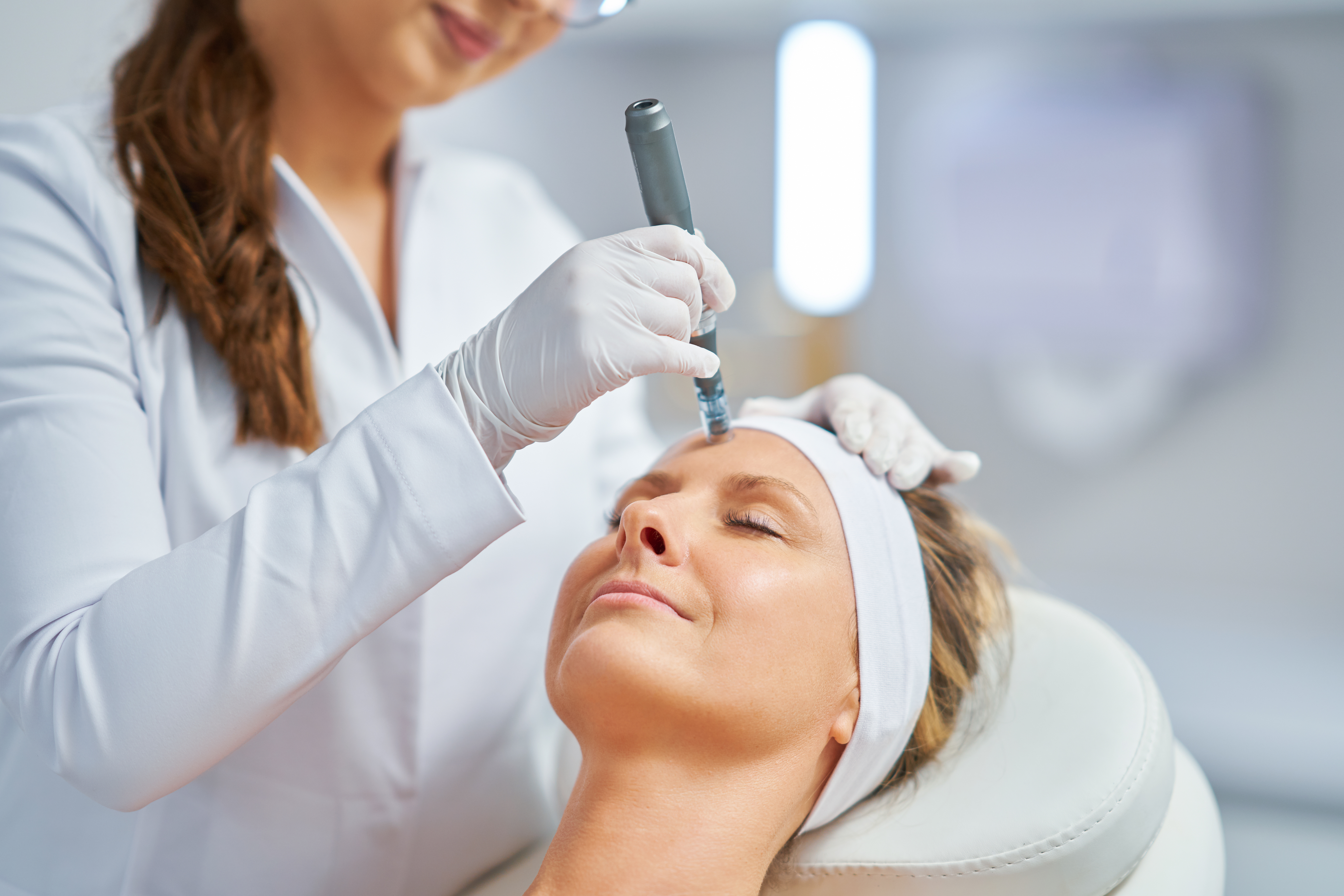

While aging does bring wrinkles, that’s not the whole story. Over time, the skin also loses volume and elasticity. And while wrinkles are the first thing people notice, the bigger challenge is more subtle. They notice changes in the cheek area that can make the face appear hollow. This is largely due to the loss of collagen.
Sculptra is designed to address these visible signs of aging. Sculptra does not fill space. Rather, it’s a treatment that helps your body create more of your own collagen. This is especially true for patients who want a subtle, natural-looking result.
The following is a guide to Sculptra: who it’s best for, how it works, what to expect, and when it may not be the best option.
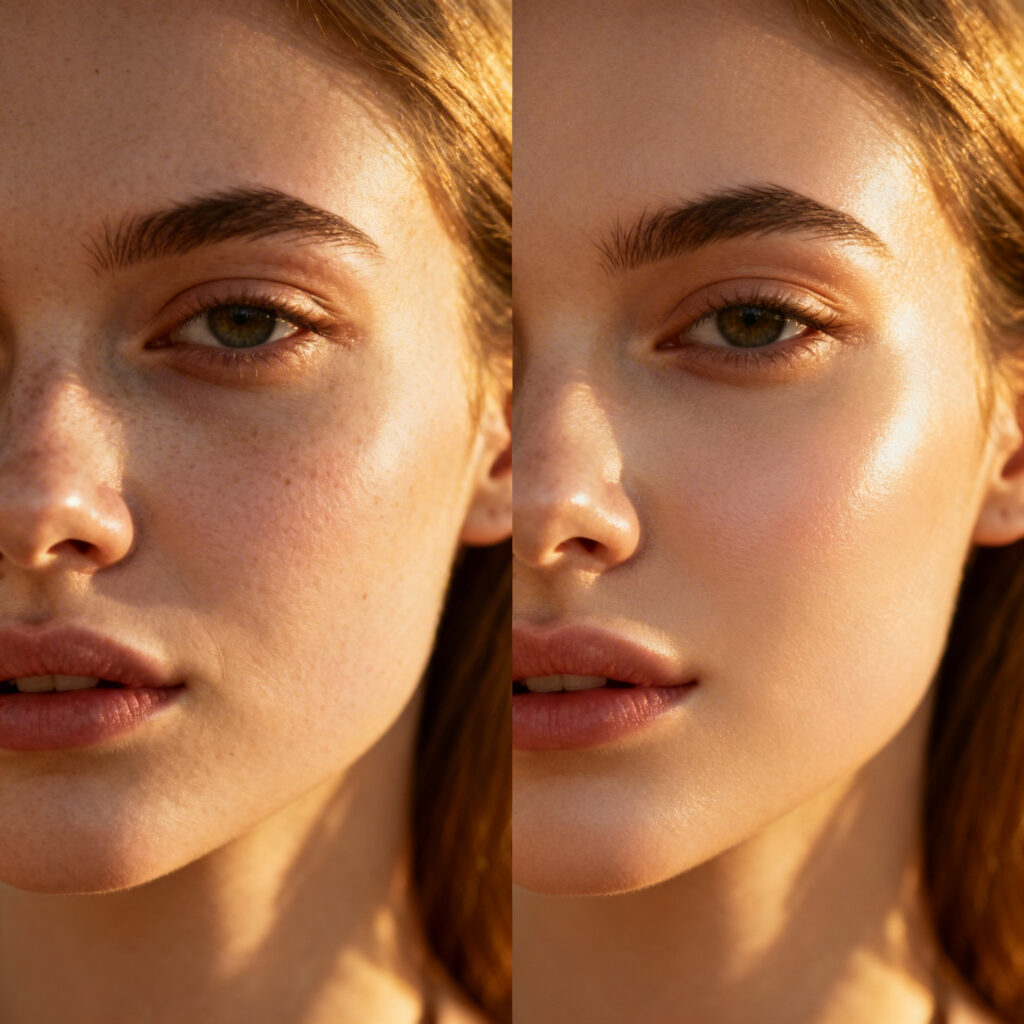
How Does The Sculptra Procedure Work?
Sculptra is an injectable treatment made from poly-L-lactic acid (PLLA). This compound has been approved by the FDA for a number of years, both for medical purposes as well as cosmetic ones.
While fillers are meant to add volume to the area of injection, Sculptra injections work from under the skin to stimulate the production of collagen. When Sculptra is injected into the skin, the PLLA particles stimulate an immune response, which causes your body to create more tissue in that area. Because this process takes time, results are not immediate.
After Sculptra is injected into targeted areas of the face using a fine needle, the poly-L-lactic acid microparticles are deposited below the skin. Over the next few weeks, these microparticles act like a collagen stimulator that triggers a controlled response from the body’s fibroblasts, the cells responsible for producing collagen.
As new collagen is created around the area of injection, volume is gradually restored to the treated area.
- The water in the injection solution is absorbed by the body within a few days, and any initial fullness settles quickly.
- Over the next four to six weeks, new collagen starts forming at the injection site as the body reacts to the PLLA microparticles.
- Results appear gradually as collagen production continues, with the most noticeable changes after two or three sessions.
- New collagen continues to build up for several months following each treatment session, meaning the full result develops gradually over time.
This gradual process is what makes Sculptra unique. It is also one of its biggest advantages. Because results appear gradually, it tends to look natural rather than sudden. People around you are more likely to notice that you look well-rested than they are to recognize a particular cosmetic treatment.
At Orah Dermatology, Sculptra injections are often used as part of a broader treatment plan. This means it may be used in combination with other injectable treatments.
What Areas Can Sculptra Treat?
Sculptra Aesthetic is primarily designed to treat volume loss of the face and the structural changes with aging. It is especially effective for areas where deep collagen has been lost, causing hollowness, sagging, or the appearance of fine lines and wrinkles.
Common areas of treatment include:
- Cheeks and midface: One of the areas where volume loss is most likely to cause the face to flatten out or have a hollowed appearance.
- Temples: Often overlooked, but temple hollowing is one of the earliest signs of facial aging, and responds well to Sculptra.
- Nasolabial folds: The folds running from the nose to the corners of the mouth, which often worsen with volume loss in the midface.
- Jawline and lower face: To restore contour and definition where structure is softened over time.
- Chin: To enhance the projection and overall balance of the face.
Sculptra is not usually used around the eyes, where the tissue is thinner and different techniques and products are more suitable. Your injector will help to determine the areas that will most likely benefit based on your face structure and goals.
Sculptra Results: What to Expect and How Long They Last
This is one of the first questions most people ask, and the honest answer requires an understanding of the timeline that makes Sculptra different from other injectables.
Results from Sculptra do not show up overnight. Most patients need a series of two or three treatment sessions spaced four to six weeks apart for the best results to occur. During this time, each session adds to the collagen-building process that was already in progress. The full result usually becomes visible three to six months after the first treatment session, as collagen production reaches its peak.
What those results look like:
- A gradual, progressive improvement in the volume and quality of the facial skin
- Softening of fine lines and wrinkles as the skin is supported from within
- Restored contour in areas such as the cheeks, temples, and jawline
- Natural-looking results that develop at a pace similar to the body’s natural processes
In terms of duration, Sculptra results last up to two years or longer, which makes it one of the longest-lasting dermal filler options on the market. Unlike hyaluronic acid fillers, which are metabolized relatively quickly, the collagen created by Sculptra is your body’s own, so it tends to last longer. Some patients see results lasting more than two years, depending on age, skin condition, and the number of sessions completed.
Maintenance sessions are usually recommended once or twice a year to maintain long-term results.
Who Are the Ideal Candidates for Sculptra?
Sculptra is a good choice for a certain type of patient. It is not for everybody, and part of a good consultation is determining whether it aligns with your goals and situation.
Sculptra tends to work best for people who:
- Are experiencing gradual facial volume loss and wish to restore a more youthful appearance over time
- Prefer natural-looking results that occur slowly rather than an immediate and dramatic change
- Are comfortable with a treatment plan that includes multiple sessions, as opposed to a single treatment appointment
- Want a long-lasting solution and are not looking for something temporary
- Have good general health and realistic expectations as to what an injectable treatment can accomplish
Sculptra is not the best choice for patients who want immediate results, for patients who are pregnant or breastfeeding, or who have certain immune system conditions or skin infections at the injection site. Some patients use Sculptra along with other treatments such as hyaluronic acid fillers or neuromodulators to treat the volume loss and dynamic wrinkles simultaneously. Your provider can help determine if a combined approach is appropriate.
What to Know Before Your Sculptra Treatment
Like any injectable treatment, Sculptra has some risks associated with it. Understanding these in advance enables you to make an informed decision and understand what is normal after treatment.
Common and expected side effects associated with a Sculptra injection are:
- Mild swelling: Normal in the treated area immediately after injection and usually settles after a few days.
- Redness: At and around the shot site, usually ending quickly.
- Bruising: More common in some areas and some techniques of injections; usually goes away within a week.
- Tenderness: At the injection site, 1 or 2 days after treatment.
Less common risks include the formation of small nodules under the skin, especially if the product is not massaged properly after the treatment. This is why most Sculptra providers give their patients certain aftercare instructions, including massaging the area five times a day for five days after each treatment session.
Serious complications from Sculptra are rare, provided that the treatment is done by a qualified, experienced injector with the proper technique. Choosing a board-certified dermatologist or similarly credentialed provider greatly helps reduce the risk and ensures that your personalized treatment plan is appropriate for your facial structure.

How Much Does Sculptra Cost?
Sculptra is usually priced per vial instead of per treatment, and the number of vials required depends on the extent of volume loss and the areas that are being treated. Most patients require two to four vials per session, with two to three sessions, which means the price covers the entire treatment plan, not just one appointment.
Several factors affect the overall cost:
- Number of vials used: More significant volume loss usually requires more product to get the desired result.
- Number of treatment sessions: The number of injections necessary to reach your desired outcome impacts the overall investment.
- Provider experience and location: Treatment at a board-certified dermatologist’s office typically reflects the level of training, oversight, and safety protocols in place.
- Geographic region: Costs vary depending on the market, and practices in urban areas or medical centers may have different pricing.
Because Sculptra is a cosmetic procedure, it is not covered by health insurance or standard health insurance plans. Most practices have financing options or payment plans to help patients manage the cost over time. During your consultation, your provider will provide you with a clear treatment plan and cost estimate according to your specific goals.
When considering cost, it’s worth comparing the duration of results. The fact that results from Sculptra can last two years or longer means that, in the long run, the cost per year of treatment may be comparable to or less than the treatments that require more frequent maintenance.
If you are considering a non-surgical means to restore volume and improve your skin, now is the time to learn more.
At ORAH Dermatology, our patients are given expert guidance and personalized treatment plans aimed at achieving safe, balanced results. With a focus on advanced dermatology and aesthetic care, the team works with patients to help them understand their options and feel confident about their decisions.